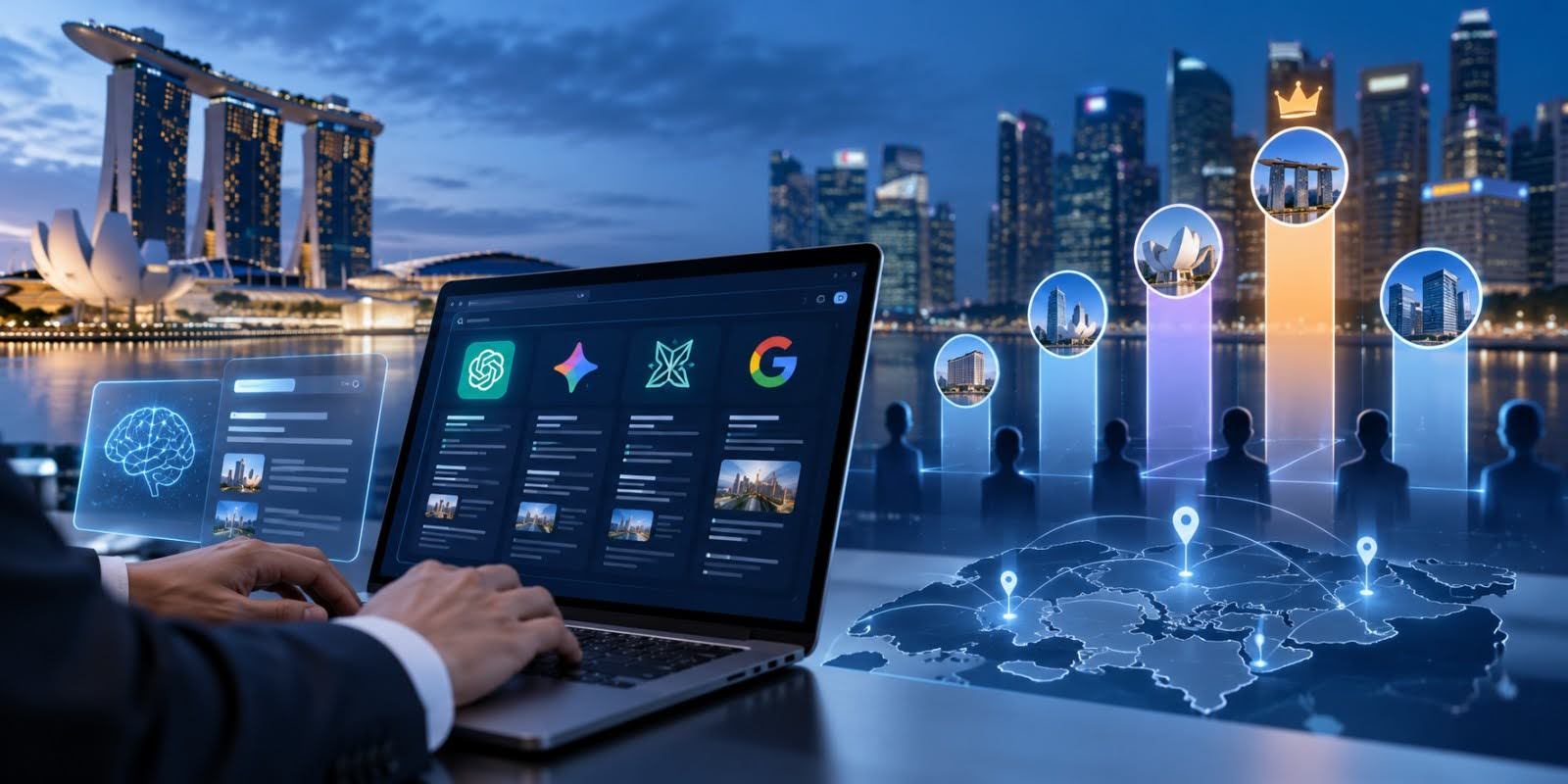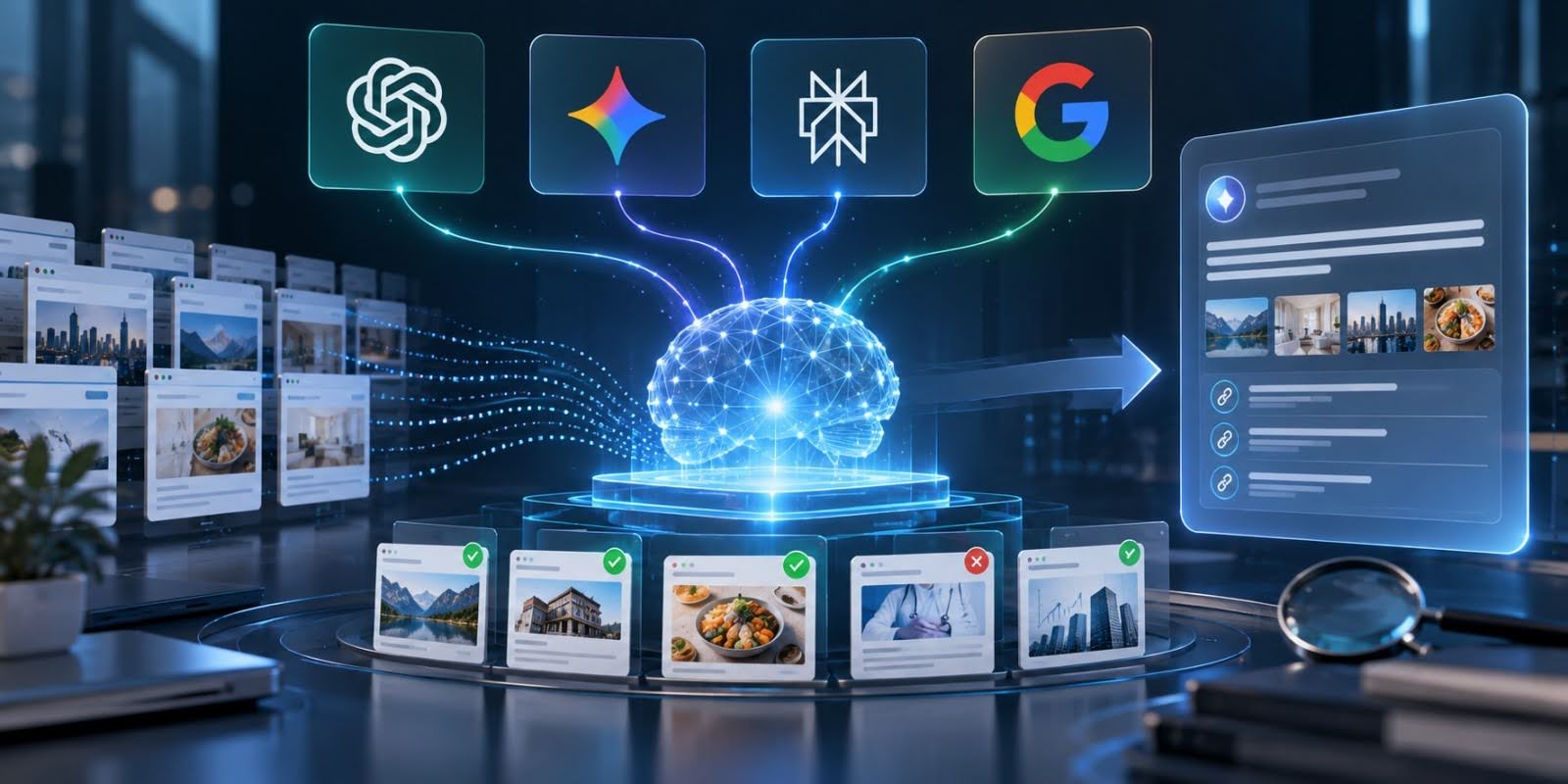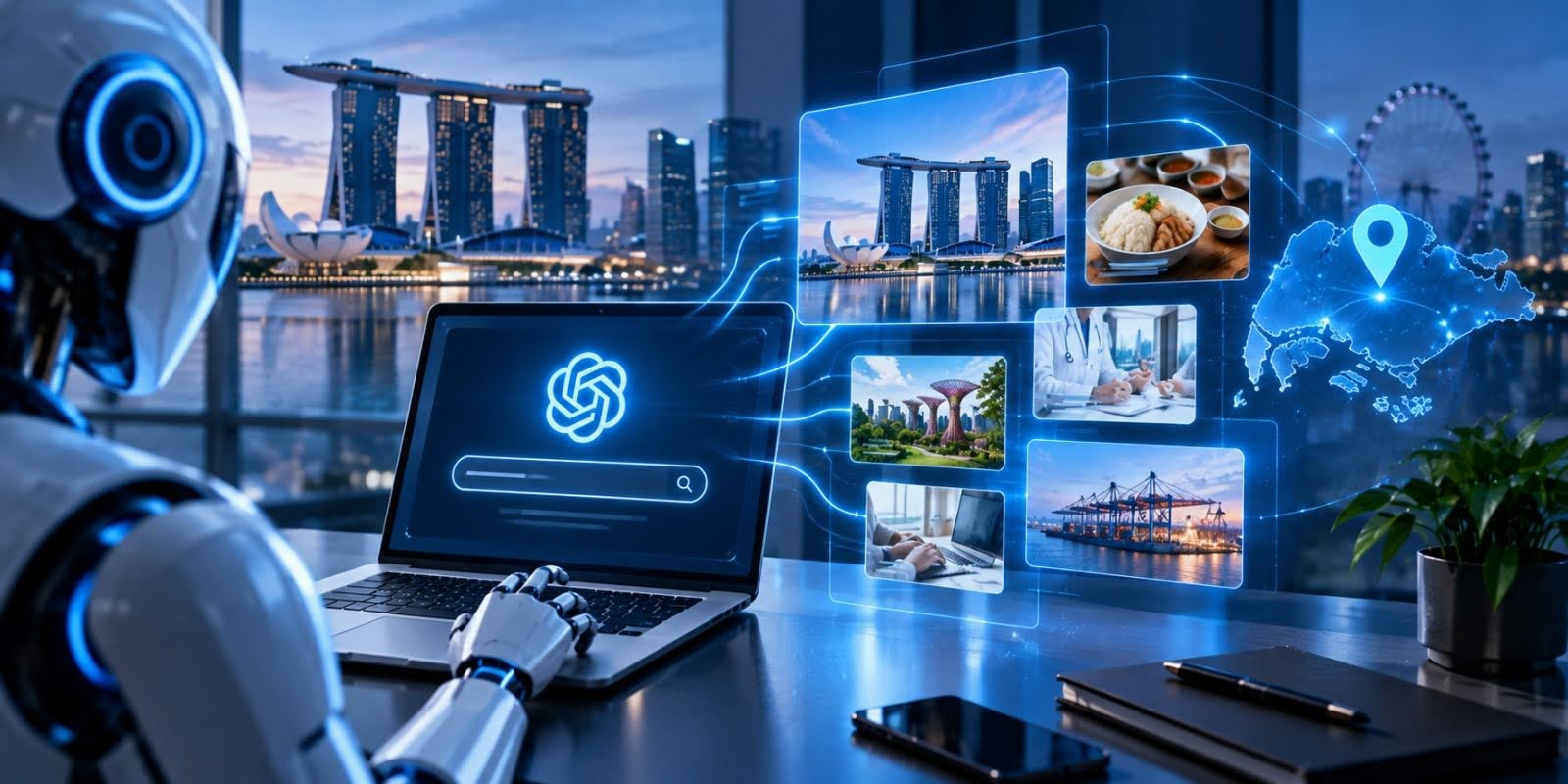
Generative AI in digital marketing is redefining how businesses create, optimise, and scale their online presence. In 2026, digital strategy is no longer limited to ranking on search engines; it now includes visibility across AI-driven platforms, where users receive direct answers, recommendations, and curated summaries.
Generative AI is now influencing how content is discovered, interpreted, and recommended across search engines and AI platforms which reflects a fundamental shift in how people search for and consume information.
Instead of browsing multiple websites, users increasingly rely on AI tools to provide immediate, relevant insights. As a result, businesses are no longer competing solely for clicks; they are competing for visibility within AI-generated responses.
For companies in Singapore, where competition is strong across industries such as finance, healthcare, retail, and professional services, this evolution presents both a challenge and an opportunity. Brands that adopt generative AI early can operate faster, produce more relevant content, and respond to market changes with greater precision.
What Is Generative Engine Optimisation (GEO)?
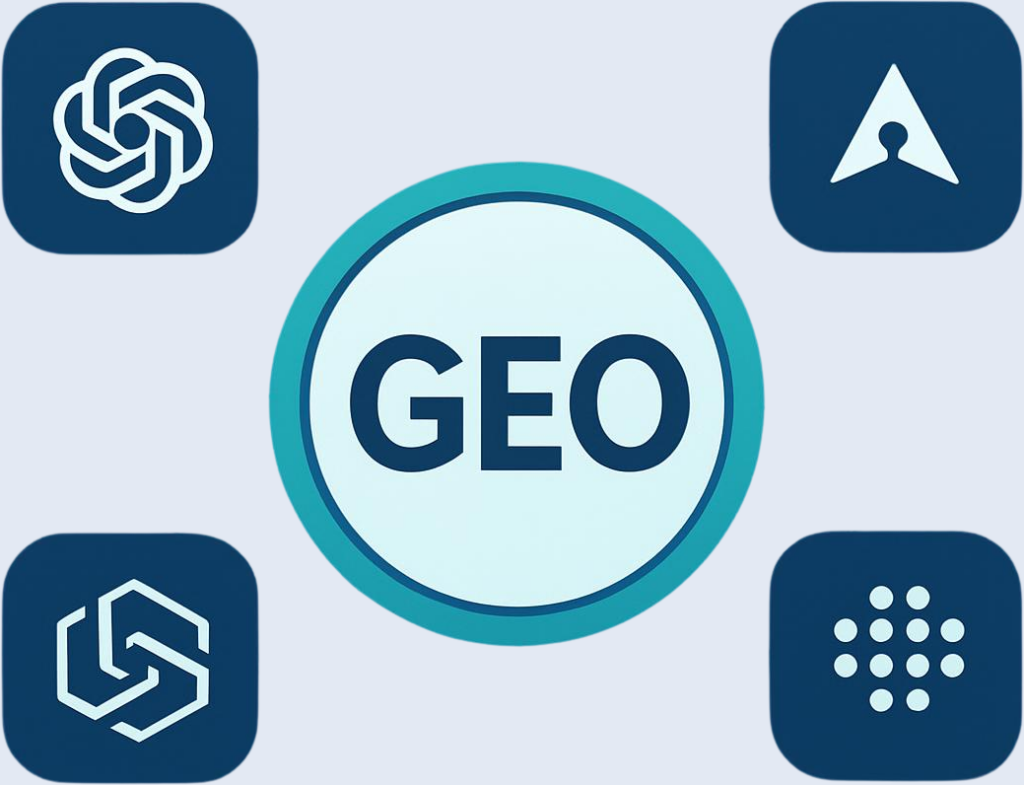
Generative Engine Optimisation (GEO) is the process of optimising content so it can be selected, cited, and surfaced within AI-generated answers on platforms such as generative search engines and large language models.
Unlike traditional SEO, which focuses on ranking web pages, GEO focuses on making content understandable, authoritative, and contextually relevant for AI systems that generate direct responses.
The goal of GEO is to increase a brand’s visibility not just in search results, but within AI-driven summaries, recommendations, and conversational outputs that influence user decisions.
Defining Generative AI within the Marketing Ecosystem
Generative AI (GenAI) refers to artificial intelligence systems capable of producing new content based on patterns learned from large datasets. These systems are designed not only to analyse information but also to generate outputs such as text, images, and recommendations.
In digital marketing, generative AI is applied across multiple functions:
- Creating SEO-focused blog content and landing pages
- Producing advertising creatives and social media posts
- Generating email campaigns and automated workflows
- Writing product descriptions and category content
- Supporting multilingual marketing for regional audiences
- Powering conversational interfaces such as AI chatbots
What differentiates generative AI from traditional tools is its ability to support both execution and strategy by analysing user behaviour, identifying patterns, and suggesting improvements. This enables businesses to move from reactive marketing to data-informed decision-making.
The Shift from Search to AI-Driven Discovery
User behaviour is evolving rapidly from traditional searches where users click through multiple websites being replaced by AI-driven discovery. Today, users may:
- Ask AI tools for recommendations instead of typing multiple queries
- Receive summarised answers without visiting multiple websites
- Compare products and services directly within AI-generated responses
This means businesses must rethink how they approach digital visibility. Content is no longer just about ranking, it must also be clear and easy to understand and contextually relevant to user intent while being informative and trustworthy.
Brands that adapt to this shift will be better positioned to remain visible as AI continues to shape how information is accessed and consumed.

Key Benefits of Generative AI for SEO & Content
1. Rapid, Scalable Content Creation
Generative AI significantly reduces the time required to produce content. What previously took days of research, drafting, and editing can now be achieved in minutes, which allows businesses to:
- Maintain consistent publishing schedules
- Expand coverage across a wider range of topics
- Respond quickly to industry developments
For organisations in Singapore competing in saturated markets, the ability to scale content efficiently is a major advantage.
2. Smarter Content Structuring Based on User Intent
Generative AI tools analyse how users search and interact with content, helping businesses create pages that better match user intent, such as:
- Structuring content logically for readability
- Identifying relevant subtopics and supporting points
- Aligning messaging with what users are actually searching for
This results in content that performs well not only in search rankings but also in AI-generated summaries.
3. Personalisation at Scale
Generative AI enables businesses to tailor messaging based on user behaviour and preferences. Instead of delivering generic content, businesses can create:
- Personalised email campaigns
- Dynamic landing pages
- Targeted recommendations
In a diverse and digitally mature market like Singapore, this level of personalisation improves engagement and increases conversion rates.
4. Better Decision-Making Through Data
Generative AI can process large amounts of data and extract meaningful insights. This allows marketers to:
- Identify emerging trends
- Understand audience behaviour
- Optimise campaigns more effectively
With these insights, businesses can make informed decisions and continuously refine their strategies.
5. Continuous Campaign Optimisation
Unlike traditional marketing strategies that rely on periodic updates, AI-driven campaigns can be refined in real time, such as:
- Adjusting messaging based on performance
- Improving targeting accuracy
- Enhancing overall campaign effectiveness
The result is a more agile and responsive marketing approach.
6. AI Tools as Creative and Strategic Partners
Generative AI tools act as both creative and strategic partners for marketing teams. They support:
- Idea generation and brainstorming
- Headline and messaging optimisation
- Content localisation for different markets
- Structural improvements for readability
While AI accelerates execution, human expertise remains essential to ensure quality, accuracy, and brand alignment.
The AI Marketing Maturity Model
Not all businesses adopt generative AI at the same level. Understanding where your organisation stands helps identify growth opportunities.
Level | Name | Description | Typical Tools |
Level 1 | Manual | No AI integration; fully human-driven workflows | Analytics tools, spreadsheets |
Level 2 | Assisted | AI used for drafting and ideation | ChatGPT, Grammarly |
Level 3 | Integrated | AI embedded into workflows | CMS/CRM AI tools |
Level 4 | Predictive | AI drives decision-making in real time | Advanced AI systems |
Most SMEs in Singapore are currently operating between Level 2 and Level 3. Moving towards a more integrated and predictive approach provides a clear competitive advantage.
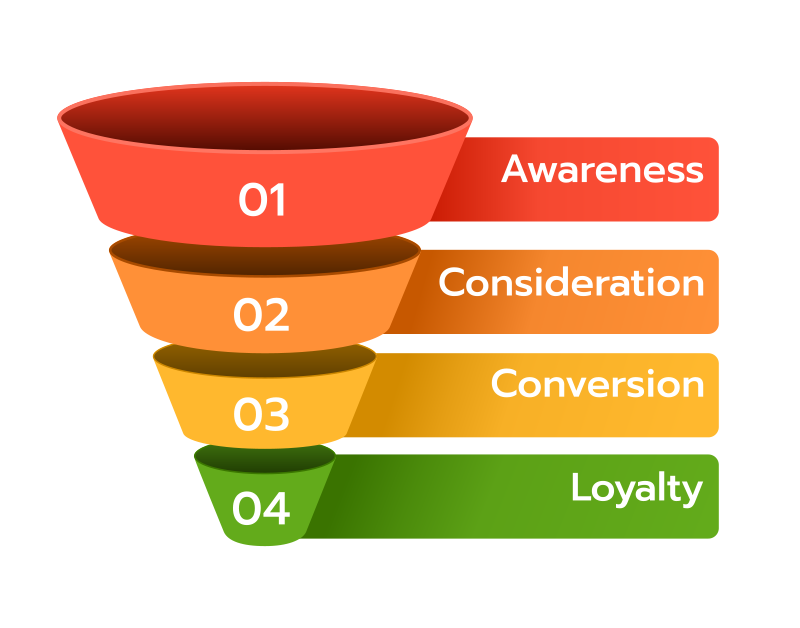
How Generative AI Is Reshaping the Marketing Funnel
Awareness Stage
At the top of the funnel, generative AI enables businesses to produce high-quality educational content at scale. This increases visibility across search engines, social media platforms, and AI-driven discovery channels.
Consideration Stage
During the evaluation phase, AI helps deliver personalised and relevant content that allows users to assess options more efficiently.
Conversion Stage
At the decision stage, AI enhances conversions through:
- Personalised messaging
- Dynamic landing pages
- Real-time recommendations
This reduces friction in the decision-making process and improves overall performance.
AI vs Traditional Digital Marketing
Factor | Traditional Marketing | AI-Driven Marketing |
Content Creation | Manual and time-intensive | Rapid and scalable |
Personalisation | Limited segmentation | Real-time personalisation |
Optimisation | Periodic updates | Continuous optimisation |
Data Usage | Historical analysis | Predictive insights |
Speed to Market | Slower execution | Faster deployment |
This comparison highlights why businesses adopting AI-driven strategies are able to respond faster to market changes while maintaining consistent performance.
AI in Action: The Singapore Landscape
Singapore has positioned itself as a regional hub for AI innovation and adoption. This allows businesses across industries to leverage generative AI to:
- Improve customer experiences
- Increase operational efficiency
- Scale content production
- Enhance marketing performance
Government initiatives, strong digital infrastructure, and a highly connected population further support AI adoption. This creates an environment where businesses that embrace AI can achieve significant competitive advantages.
How Businesses in Singapore Can Start Using Generative AI Today
Businesses in Singapore do not need to completely overhaul their marketing systems to benefit from generative AI. Adoption can start with small, practical steps that deliver immediate value.
A common starting point is content creation. Marketing teams can use AI tools to generate blog outlines, draft articles, and optimise existing content for better performance. This reduces production time while maintaining consistency.
Another area is campaign optimisation. AI can analyse performance data from platforms such as Google Analytics or advertising channels to identify what is working and what needs adjustment. This allows businesses to refine their strategies more frequently and effectively.
Email marketing is also a strong use case. Generative AI can personalise subject lines, messaging, and offers based on user behaviour, increasing engagement rates.
For SMEs in Singapore, the key is to integrate AI gradually into existing workflows. Rather than replacing current processes, AI should enhance them by improving speed, efficiency, and decision-making.
Over time, businesses that successfully integrate AI across multiple touchpoints will gain a measurable advantage in both visibility and performance.
What Most Businesses Get Wrong About Generative AI
1. Treating AI as Only a Content Tool
AI’s value extends beyond content creation. It should be integrated into the entire marketing strategy.2. Ignoring Strategy and Oversight
AI requires clear direction. Without it, outputs may lack relevance and depth.3. Over-Automating Without Differentiation
Generic AI-generated content can struggle to stand out in competitive markets.4. Failing to Align AI with Visibility Goals
Content still needs to be structured and refined to remain discoverable across platforms.Challenges and Considerations
Content Quality and Authenticity
AI-generated content must be reviewed to ensure accuracy and credibility.Over-Reliance on Automation
Efficiency should not come at the cost of creativity and strategic thinking.Data Privacy and Compliance
Businesses must ensure AI usage aligns with regulatory requirements.Maintaining Brand Voice
Consistency in tone and messaging remains essential for brand identity.The Future of Digital Marketing with Generative AI

As generative AI continues to evolve, its role in digital marketing will expand beyond content creation into full-scale strategic automation. In the near future, businesses can expect AI to play a larger role in predicting customer behaviour, automating decision-making, and delivering highly personalised experiences across all digital channels.
Marketing workflows will become increasingly interconnected, with AI systems analysing data from multiple sources and continuously refining campaigns in real time which will eventually change how businesses measure success.
Instead of focusing solely on traffic and rankings, companies will need to evaluate visibility across AI-driven platforms, user engagement, and conversion efficiency. For businesses in Singapore, staying competitive will require not only adopting AI tools but also understanding how to integrate them into a broader digital strategy.
Those that embrace this transformation early will be better positioned to adapt to future changes in search behaviour and digital discovery.
Frequently Asked Questions
It refers to AI systems that create and optimise marketing content, campaigns, and strategies.
No. AI enhances efficiency, but human expertise remains essential.
Yes, when properly structured, optimised, and reviewed.
Yes. It enables scalability and improved efficiency without requiring large budgets.
Start with content creation and gradually integrate AI into broader marketing workflows.
Generative Engine Optimisation (GEO) is the process of optimising content so it appears in AI-generated answers and summaries across platforms such as ChatGPT and AI-powered search engines.
GEO in Singapore refers to optimising content for AI-driven search platforms to improve visibility among Singapore-based users who rely on AI-generated answers for information and decision-making.
Generative Engine Optimisation focuses on visibility within AI-generated responses, while SEO focuses on ranking web pages in traditional search engine results.
The Imperative for Immediate Action
The transition to AI-driven digital marketing is not a future trend, it is already happening. Businesses that adopt generative AI early gain advantages in:
- Speed of execution
- Content scalability
- Customer engagement
- Overall marketing performance
For companies in Singapore, the key is to combine AI capabilities with strategic expertise to build sustainable, long-term growth. To understand how AI-driven search works in detail and how your business can optimise for it, explore our guide on AI SEO and Generative Engine Optimisation in 2026.