Dental implants in Singapore typically consist of permanent prosthetic tooth roots, made of biocompatible titanium or zirconia, surgically inserted into the jawbone to support crowns, bridges, or dentures. In 2026, the success rate for dental implants in Singapore is approximately 95% to 98%, provided patients adhere to the Ministry of Health (MOH) post-operative guidelines. Implant procedures are classified under the Table of Surgical Procedures (TOSP), allowing eligible Singaporeans and Permanent Residents to claim a portion of the surgical costs through MediSave.
Understanding Dental Implants: Components and Materials
A dental implant consists of three distinct parts: the fixture (post), the abutment (connector), and the prosthetic restoration (crown).
- The Fixture: A screw-like post made of Grade 4 or 5 Titanium or metal-free Zirconia.
- The Abutment: A titanium, gold, or ceramic component that links the fixture to the crown.
- The Restoration: A custom-milled porcelain or zirconia crown created to match the form and structure of a natural tooth.
In 2026, Digital Smile Design (DSD) is used to virtually plan the restoration before surgery, ensuring the final crown aligns perfectly with the patient’s bite forces and aesthetic profile.
Who Qualifies for Dental Implants?
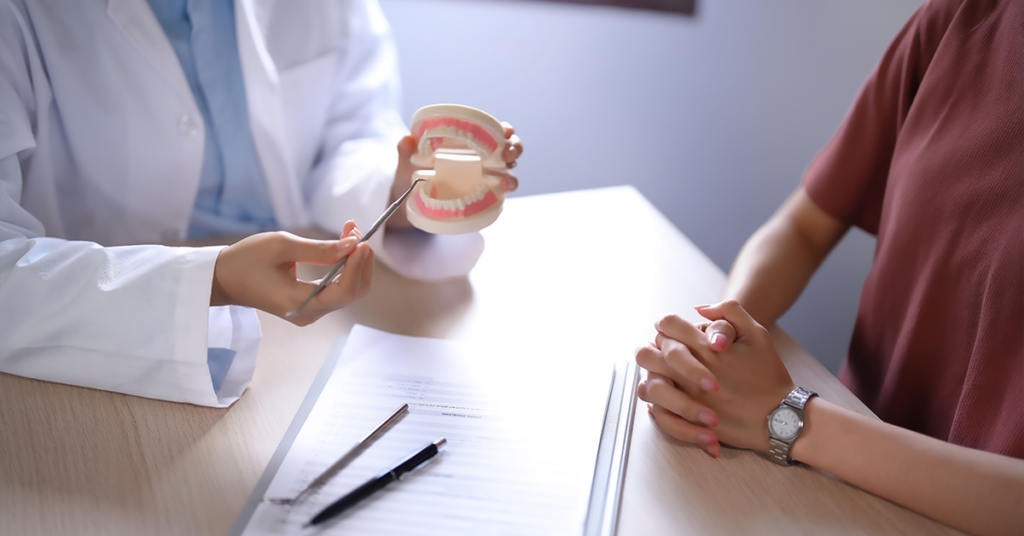
Eligibility for dental implants in Singapore depends on three primary factors: jawbone density, periodontal health, and systemic medical stability.
- Bone Density: Sufficient alveolar bone is required for osseointegration (the biological fusion of bone to metal).
- Periodontal Health: Active gum disease must be treated prior to surgery to prevent peri-implantitis.
- Medical History: Controlled diabetes and non-smoking status significantly improve healing outcomes.
For patients with insufficient bone, supplementary procedures like Guided Bone Regeneration (GBR) or Sinus Lifts may be necessary, both of which are also Medisave-claimable in Singapore.
The Dental Implant Procedure Timeline
A standard dental implant workflow in Singapore typically spans 3 to 6 months. Dentists utilise a Staged Loading or Immediate Loading protocol based on clinical assessment.
- Phase 1 Diagnostic Imaging: Using Low-Dose CBCT (Cone Beam Computed Tomography) and intraoral 3D scanners to map the jaw and nerve paths.
- Phase 2 Surgical Placement: The fixture is placed using AI-guided surgical templates to ensure sub-millimeter precision.
- Phase 3 Osseointegration: A 3-month healing period where the bone grows around the implant.
- Phase 4 Restorative Phase: Attachment of the permanent crown once the implant is stable (stability is measured via an Implant Stability Quotient (ISQ) device).
Dental Implant Costs in Singapore: 2026 Benchmarks
The cost of a single dental implant in Singapore ranges from S$2,500 to S$6,000, depending on the complexity of the case and the type of clinic (Public vs. Private).
2026 Price Breakdown (Estimated SGD):
Service Component | Private Clinic Range | Public Hospital Range |
Initial Consultation & 3D X-ray | S$150 – S$350 | S$80 – S$150 |
Implant Surgery (Fixture only) | S$1,500 – S$3,000 | S$1,200 – S$2,200 |
Abutment & Permanent Crown | S$1,000 – S$2,500 | S$800 – S$1,500 |
Bone Grafting (if required) | S$500 – S$2,000 | S$400 – S$1,200 |
Note: Prices are before GST and any applicable Medisave subsidies.
MediSave and Subsidies for Implants
Under the MOH Table of Surgical Procedures (TOSP), dental implant surgery is a claimable procedure, with withdrawal limits typically capped at S$950 to S$1,950 per implant fixture.
- Medisave Claimability: Only the surgical component (fixture placement) and bone grafting are claimable. The dental crown and abutment are considered non-surgical and cannot be paid for via Medisave.
- CHAS Subsidies: Holders of the CHAS Blue, Orange, or Pioneer Generation cards may be eligible for further subsidies on the restorative components (crowns) at participating dental clinics.
AI and Robotics in 2026 Implantology
In 2026, AI-driven diagnostics analyse CBCT data to identify optimal implant angulation, reducing the risk of nerve damage by 40% compared to traditional manual planning. Robotic-assisted surgery is increasingly used in complex full-arch rehabilitations (e.g., All-on-4), providing haptic feedback to the surgeon to prevent deviations from the digital treatment plan.
Risks and Complications
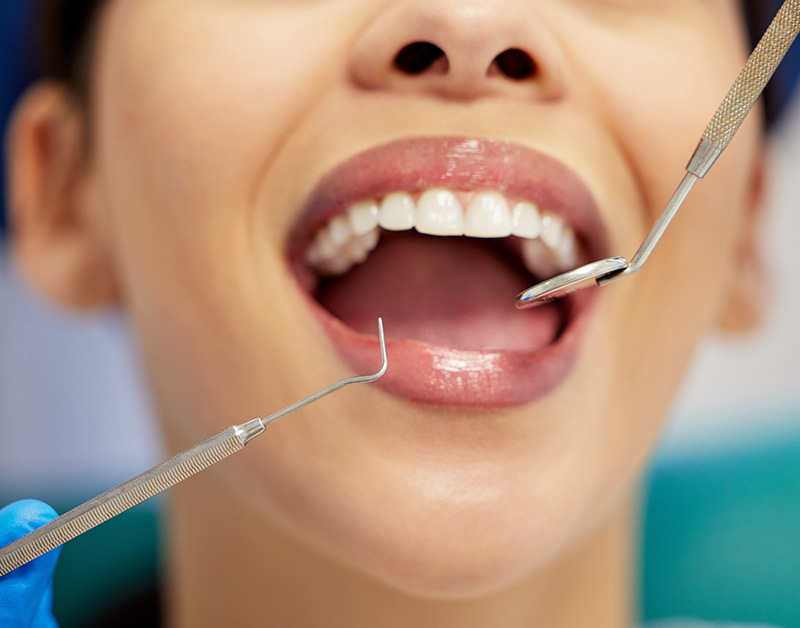
While dental implants have a high success rate, the primary risk is Peri-implantitis, an inflammatory condition that can lead to bone loss around the implant. This can be caused by:
- Infection: Usually caused by poor oral hygiene or pre-existing gum disease.
- Nerve Damage: Rare in 2026 due to 3D guided surgery, but may result in numbness of the lip or tongue.
- Implant Failure: Occurs if osseointegration fails, often linked to smoking or uncontrolled systemic conditions.
Long-Term Maintenance and Oral Hygiene
Maintenance of a dental implant requires the same level of care as natural teeth, focusing on the prevention of biofilm accumulation at the gum line. This consists of:
- Professional Cleaning: Patients should attend reviews every 6 months for professional scaling and Air-flow therapy.
- Home Care: Use of interdental brushes or water flossers is recommended, as traditional floss can sometimes damage the delicate “perimucosal seal” around the implant abutment.
Frequently Asked Questions (FAQ)
As of 2026, you can typically claim between S$950 and S$1,950 for the surgical placement of the implant fixture. You cannot use MediSave for the crown or abutment.
With excellent oral hygiene and regular professional check-ups, the titanium implant post can last 25 years to a lifetime. The crown may require replacement every 10–15 years due to normal wear.
Yes, but a specialist assessment is required. Some medications for osteoporosis (Bisphosphonates) can affect jawbone healing. Your dentist will coordinate with your GP to ensure a safe treatment plan.
This is a full-arch rehabilitation where an entire bridge of teeth is supported by only four strategically placed implants. It is ideal for patients with significant tooth loss and limited bone density.
No. The procedure is performed under local anesthesia. For anxious patients, clinics in Singapore also offer IV Sedation or "Sleep Dentistry" to ensure a completely pain-free experience.
Final Thoughts
Dental implants represent the gold standard for tooth replacement in Singapore, combining high biocompatibility with long-term functional stability. By leveraging AI-guided planning and Medisave subsidies, patients can achieve predictable, cost-effective outcomes.
Was this guide informative? If you are seeking a digital marketing agency in Singapore for high-quality content creation that can top ranking pages, contact W360 today to boost your visibility!