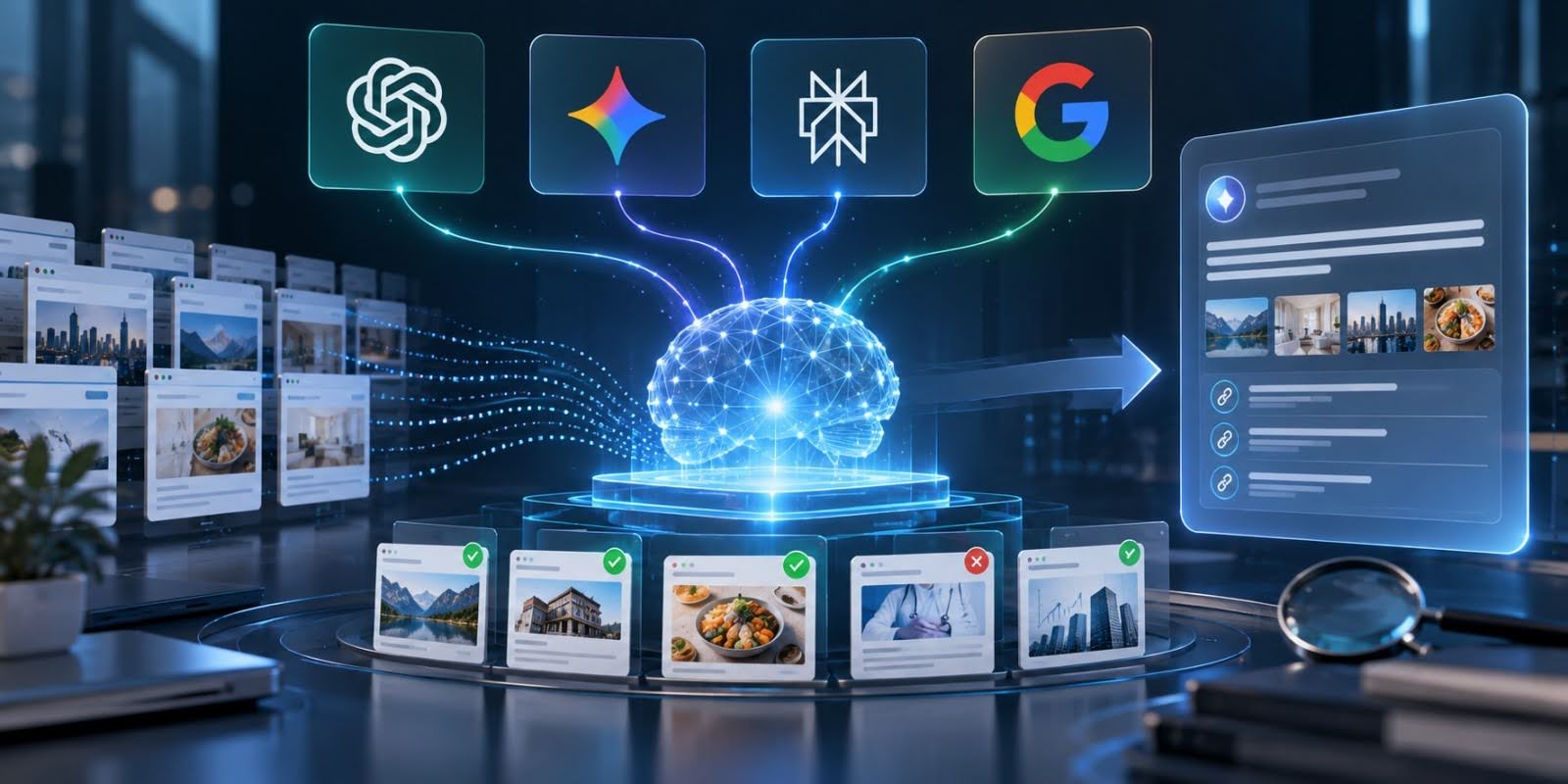
Search has evolved beyond matching phrases to relying on semantic understanding and knowledge graphs to determine which content deserves visibility. Especially in Singapore, this shift is noticeable with the introduction of AI-powered search experiences such as Google AI Overviews and generative search results.
Singapore’s Entity-based AI SEO is the practice of helping search engines and AI systems understand businesses, brands, services, products, people, and concepts as identifiable entities rather than a collection of keywords.
For businesses, visibility now depends not only on keyword relevance but also on how clearly search engines understand the relationships between a company, its services, its expertise, and its industry. Entity-based optimisation helps establish those relationships.
Discover why businesses that invest in entity SEO Singapore strategies are better positioned to improve visibility across organic search results and AI-generated searches.
What Are Entities and Why They Matter
An entity is a uniquely identifiable person, organisation, place, product, service, event, or concept that search engines can recognise and distinguish from other information. Unlike keywords, entities represent real-world objects and ideas.
Search engines use entities to understand meaning, context, and relationships rather than relying solely on exact keyword matches. For example, a search engine may recognise:

- A business as an organisation entity
- A medical procedure as a service entity
- A city as a geographic entity
- A person as an individual entity
- A product as a commercial entity
This allows search engines to understand how different concepts connect to one another. The difference between keyword-based optimisation and entity-based optimisation can be seen below.
|
Traditional Keyword SEO |
Entity-Based SEO |
|
Focuses on phrases |
Focuses on meaning |
|
Optimises for search terms |
Optimises for identifiable entities |
|
Relies heavily on keyword matching |
Relies on contextual understanding |
|
Targets rankings |
Targets authority and relevance |
|
Limited semantic understanding |
Strong semantic understanding |
Entities matter because AI search engines increasingly rely on contextual understanding when generating responses. The clearer an entity becomes, the easier it is for search engines to trust, interpret, and reference that entity.
Entity SEO vs Traditional Keyword SEO
Entity SEO and traditional keyword SEO share similar objectives but operate differently. Traditional SEO focuses on ensuring pages contain the right keywords, meta data, headings, backlinks, and technical signals. These factors remain important, but they no longer provide the complete picture.
Entity SEO focuses on establishing clear relationships between topics, brands, services, expertise, and supporting information.Consider the following example.
A traditional SEO strategy may target:
“AI SEO in Singapore”
An entity-based strategy may establish relationships between:
- AI SEO
- Search engine optimisation
- AI Overviews
- Knowledge graphs
- Semantic search
- Digital marketing
- Business expertise
- Industry authority
The second approach provides search engines with significantly more context. This is particularly important because AI-powered search engines increasingly answer questions based on understanding rather than keyword matching.
How AI Search Engines Understand Entities
AI search engines understand entities through natural language processing, machine learning, semantic analysis, and knowledge graph systems. Rather than evaluating individual keywords, AI systems attempt to understand the meaning behind content.
When a user performs a search, AI systems evaluate:
- The query intent
- Recognised entities within the query
- Related entities connected to the topic
- Contextual relevance
- Trust and authority signals
The search engine then determines which information sources best answer the question. For instance, a search about AI SEO may involve connections between:
- Artificial intelligence
- Search engines
- Content optimisation
- Knowledge graphs
- Digital marketing
- User intent
The stronger these relationships are established within content, the easier it becomes for AI systems to understand and cite that information. This is one of the reasons why semantic SEO strategies in Singapore have become increasingly important in modern search environments.
Google's Knowledge Graph and Entity Recognition
Google’s Knowledge Graph is a database designed to help Google understand entities and their relationships. The Knowledge Graph contains billions of entities and continuously expands as Google discovers and validates new information.
Instead of viewing information as isolated webpages, Google analyses how entities connect. A business may be connected to:
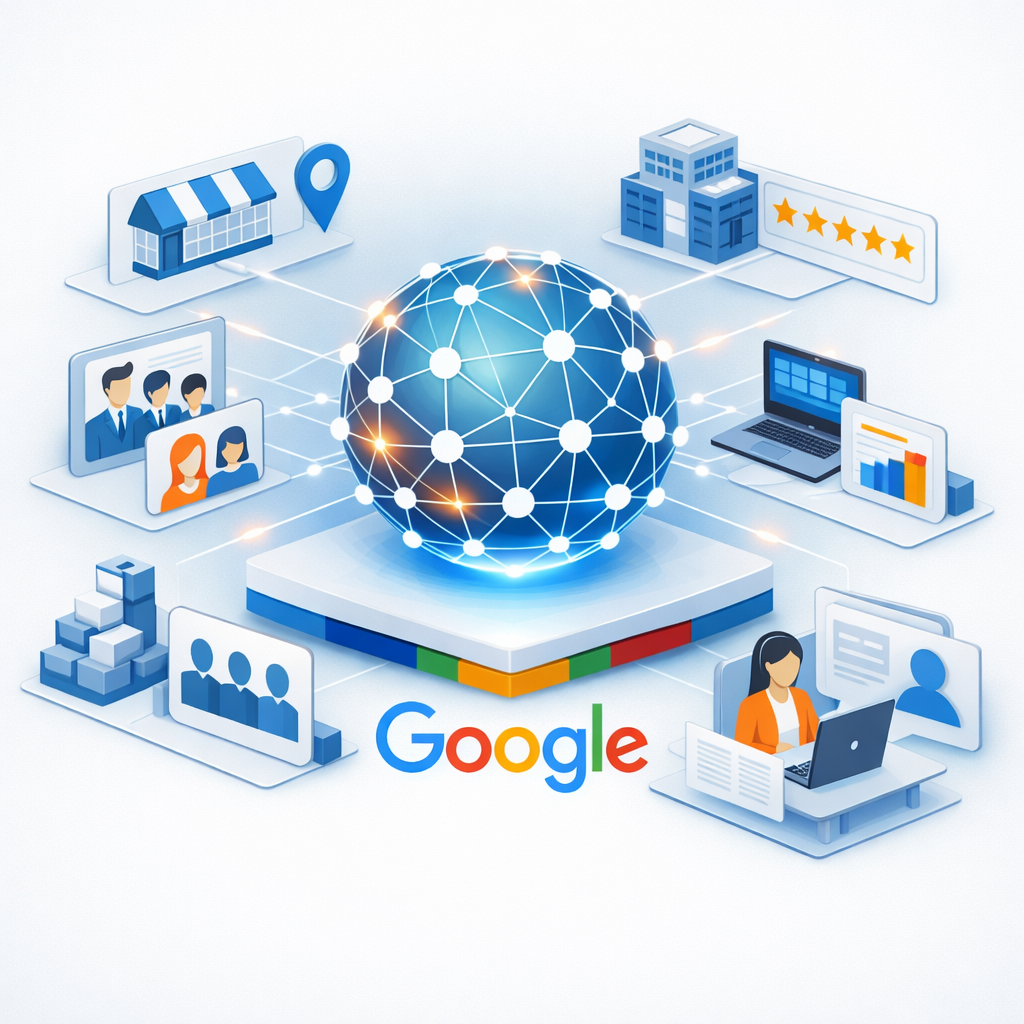
- Its services
- Industry categories
- Locations
- Leadership team
- Reviews
- Publications
- Customers
- Related organisations
These relationships help Google develop a more complete understanding of an entity. Entity recognition occurs when Google identifies specific entities within content and associates them with known records in its knowledge systems. Knowledge graph optimisation helps strengthen these connections by making entity information more structured and verifiable. As AI-generated searches continue to expand, strong knowledge graph signals have become a necessity as AI systems rely on these relationships when generating responses.
Why Entity-Based AI SEO Matters for Singapore Businesses
Entity-based optimisation has become a crucial part of SEO in Singapore because many industries operate in highly competitive search environments. Businesses in sectors such as:
- Professional services
- Healthcare
- Education
- Finance
- Technology
- B2B services
often compete against organisations with strong authority and established online visibility. Search engines use entity signals to determine which organisations deserve visibility within AI-generated responses and knowledge-driven search features.
For Singapore businesses, entity optimisation can help:
- Improve AI Overview visibility
- Strengthen topical authority
- Enhance brand recognition
- Improve semantic relevance
- Increase trust signals
As search behaviour continues to shift towards conversational and AI-powered experiences, entity recognition has become an important competitive advantage.
Building Entity Authority for Singapore Businesses
Entity authority refers to the level of trust, expertise, and relevance search engines associate with a specific entity. Building authority requires more than publishing content since search engines need evidence that an entity consistently demonstrates expertise within their subject area.
Several factors contribute to authority development.
Consistent Entity Information
Businesses should maintain consistent information across:
- Websites
- Directories
- Social profiles
- Industry listings
- Publications
Consistency helps search engines validate entity identity.
Comprehensive Topic Coverage
Topical authority SEO is developed through comprehensive coverage of related topics. A business specialising in AI SEO may create content covering:
- AI search optimisation
- Entity SEO
- Semantic SEO
- Schema markup
- Knowledge graphs
- AI Overviews
- Search engine algorithms
Comprehensive coverage strengthens authority signals.
Expert Contributions
Search engines increasingly evaluate expertise when assessing content quality. Author profiles, qualifications, industry experience, and professional achievements help reinforce authority.
External Validation
Third-party references help confirm credibility and strengthen trust signals, such as:
- Industry publications
- Professional organisations
- Media mentions
- Business citations
- Expert interviews
The 5-Step Entity SEO Framework
A structured approach can help businesses develop stronger entity recognition.
Step 1: Define Core Entities
Identify primary entities associated with the business. Examples include:
- Company name
- Services
- Products
- Specialists
- Locations
These entities become the foundation of optimisation efforts.
Step 2: Establish Entity Consistency
Ensure entity information remains consistent across all digital properties.Consistency improves validation and recognition.
Step 3: Build Topic Clusters
Develop comprehensive content around related subjects. Topic clusters help search engines understand semantic relationships.
Step 4: Implement Structured Data
Use schema markup to provide machine-readable entity information, since structured data helps reduce ambiguity.
Step 5: Strengthen Authority Signals
Build credibility through:
- Expert content
- Industry mentions
- Author profiles
- Relevant citations
- Digital PR activities
Together, these signals help strengthen entity authority.
Entity Optimisation Best Practices

Entity optimisation combines technical implementation with content strategy. These best practices support stronger entity recognition.
Create Comprehensive Topic Clusters
Topic clusters organise content around central themes. This structure helps search engines understand:
- Subject relevance
- Topic depth
- Semantic relationships
- Authority signals
Use Structured Data
Structured data helps define entities clearly. Common schema types include:
- Organisation
- Local Business
- Service
- Article
- FAQ
- Person
- Review
Structured data improves machine understanding.
Strengthen Internal Linking
Internal links reinforce contextual relationships. Strong internal linking helps search engines understand how topics connect throughout a website.
Optimise Brand Signals
Businesses should maintain consistent branding across digital platforms. Strong brand signals help reinforce entity identity.
Develop Semantic Content
Semantic SEO helps Singapore businesses explain concepts comprehensively and naturally as the focus is on topic coverage rather than keyword repetition.
Advanced Entity SEO Strategies
Advanced entity optimisation goes beyond basic implementation. These strategies help strengthen authority and AI search visibility.
Entity-First Site Architecture
Website structures should reflect entity relationships. Pages should support broader topical ecosystems rather than existing in isolation.
Multi-Layered Schema Markup
Multiple schema types can work together to strengthen context. For example:
- Organisation Schema
- Service Schema
- FAQ Schema
- Article Schema
- Author Schema
This creates richer entity signals.
Digital PR for Entity Growth
Media mentions help reinforce authority. High-quality industry references often contribute stronger entity signals than traditional link-building alone.
Knowledge Panel Optimisation
Businesses should actively strengthen signals associated with their brand entity. This helps improve recognition within Google’s knowledge systems.
How Entity SEO Improves Google AI Overviews Visibility
Google AI Overviews rely heavily on trusted sources and recognised entities. AI systems evaluate:
- Authority
- Expertise
- Entity relationships
- Topical coverage
- Source credibility
Entity optimisation supports each of these factors. Furthermore, businesses with stronger entity recognition are often better positioned to appear within AI-generated responses since search engines have greater confidence in their expertise.
Several signals influence AI Overview visibility.
|
Entity Signal |
Influence on AI Search |
|
Organisation Schema |
High |
|
Author Expertise |
High |
|
Topical Authority |
High |
|
Industry Mentions |
High |
|
Internal Linking |
Medium |
|
Brand Consistency |
High |
|
Knowledge Graph Associations |
High |
These signals help AI systems determine which sources deserve visibility.
Real-World Entity SEO Examples
These practical examples showcase how entity SEO works.
Example 1: Medical Clinic
Instead of targeting only treatment keywords, a clinic establishes relationships between:
- Medical specialists
- Procedures
- Conditions
- Locations
- Credentials
This helps search engines understand expertise.
Example 2: Law Firm
A law firm develops content covering:
- Practice areas
- Legal processes
- Regulations
- Industry expertise
This builds topical authority.
Example 3: B2B Technology Company
A technology company creates interconnected content around:
- Solutions
- Industries
- Technologies
- Use cases
- Customer challenges
This strengthens semantic relevance.
Common Entity SEO Mistakes

Several mistakes can limit entity visibility.
-
Focusing Only on Keywords
Keyword optimisation remains important but should not replace entity development.
-
Weak Topic Coverage
Thin content often fails to establish expertise.
-
Inconsistent Information
Conflicting business details can reduce trust.
-
Missing Structured Data
Search engines may struggle to interpret entities accurately without schema markup.
-
Poor Internal Linking
Disconnected content weakens contextual relationships.
-
Lack of External Validation
Limited third-party references may reduce authority signals.
Measuring Entity SEO Success
Entity SEO performance should be evaluated using multiple indicators. Useful measurements include:
|
Metric |
Purpose |
|
AI Overview Visibility |
Measures AI search exposure |
|
Branded Searches |
Measures awareness |
|
Organic Traffic Quality |
Measures relevance |
|
Topic Coverage |
Measures authority |
|
Knowledge Panel Visibility |
Measures recognition |
|
Citation Frequency |
Measures AI trust |
These metrics provide a broader view of search performance than rankings alone.
Future of Entity-Based SEO and AI Search

Entity-based optimisation is expected to become increasingly important as AI search continues to evolve. Several trends are shaping the future.
Greater AI Integration
Search engines will continue incorporating AI-generated responses into search experiences.
Expanded Knowledge Graph Usage
Knowledge graphs will play a larger role in content evaluation and retrieval.
Stronger Entity Verification
Search engines will continue validating entities through multiple trusted sources.
Growth of AI Search Optimisation
Through AI search optimisation, Singapore organisations can elevate authority, trust, expertise, and semantic relevance.
Increased Focus on Topical Authority
Topical authority SEO will become even more important as search engines prioritise expertise-driven content.
Frequently Asked Questions
Entity-based SEO focuses on helping search engines understand identifiable businesses, people, products, services, and concepts through contextual relationships rather than relying solely on keywords.
AI systems use entities to understand meaning and generate accurate responses. Strong entity signals improve trust and visibility.
Semantic SEO refers to optimisation strategies that help search engines understand context, meaning, and relationships between topics rather than focusing solely on keyword matching.
Knowledge graph optimisation improves how search engines recognise and connect entities through structured data, consistent information, and authoritative signals.
Yes. Strong entity recognition, authority signals, and topical expertise can improve the likelihood of appearing within AI-generated search responses.
Results vary depending on authority, competition, and implementation. Entity development is generally a long-term strategy that compounds over time.
Why Entity-Based AI SEO Is Becoming Essential for Search Visibility
Search engines increasingly evaluate meaning, expertise, relationships, and authority rather than relying solely on keywords. As AI-powered search experiences continue to expand, businesses that establish strong entity signals are better positioned to improve visibility across traditional search results, Google AI Overviews, and future generative search environments.
By combining strategies for entity SEO, Singapore organisations can create stronger foundations for sustainable search visibility through knowledge graph optimisation, topical authority SEO, etc.
Build Stronger Entity Signals for AI-Driven Search
Singapore’s Entity-based AI SEO plays a key role in helping search engines and AI systems understand expertise, authority, and relevance. Organisations seeking to strengthen their AI SEO strategy can explore how SEO agencies in Singapore support broader search visibility goals.
W360 Group Pte Ltd is a digital marketing agency that helps Singapore businesses develop AI-focused SEO strategies that align with modern search engine requirements, including entity optimisation, semantic content development, knowledge graph optimisation, and AI search visibility initiatives.
Want to boost your visibility and stay competitive in the age of AI? Get a quote today!