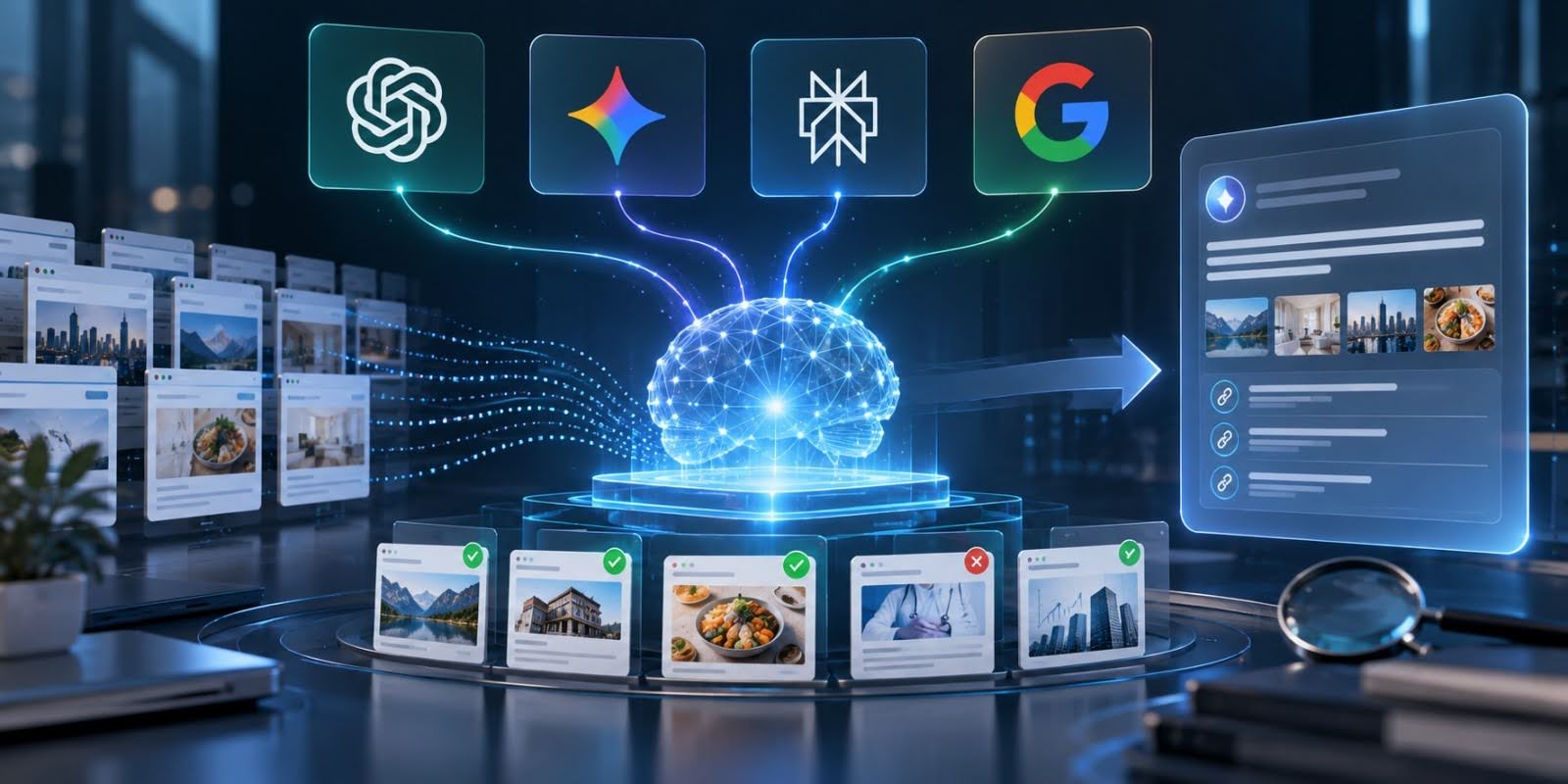
In Singapore, due to zero-click searches, AI SEO is needed to optimise content, entities, and digital assets so that a business remains visible when users receive answers directly from search engines and AI systems without clicking through to a website.
With search entering a new phase, traditional blue-link results are gradually being replaced by AI-generated answers, AI Overviews, and voice assistant responses. Users can often obtain the information they need directly within the search interface, reducing the number of clicks sent to websites.
For businesses in Singapore, this shift changes how search success should be measured. Rankings and traffic remain important, but visibility within AI search results, entity recognition, branded search growth, and AI citations are becoming equally valuable indicators of digital presence.
Discover how to create a modern SEO strategy that focuses on being selected, understood, and cited by AI systems.
Rise of Zero-Click Searches in 2026
Zero-click searches occur when a user completes a search journey without visiting any external website. This behaviour is not entirely new as featured snippets, knowledge panels, and local business listings have existed for years. However, the rapid adoption of generative AI within search platforms has accelerated the trend significantly.
Modern search engines now attempt to answer user questions immediately. Rather than directing users to multiple websites for research, AI systems summarise information from various sources and present a consolidated response directly on the search results page.
For users, this creates convenience and efficiency. But for businesses, it creates a new challenge of maintaining visibility even when website visits decline.
Many organisations mistakenly assume that fewer clicks automatically indicate weaker SEO performance. In reality, a brand may be appearing more frequently within AI-generated answers than ever before while experiencing lower click-through rates.
The objective is no longer limited to winning a click. The objective is to become part of the answer.
How User Behaviour Has Changed
Several behavioural changes are contributing to the growth of zero-click searches:
- Users expect immediate answers.
- AI-generated summaries reduce research time.
- Mobile users prefer quick information consumption.
- Voice search encourages direct-answer formats.
- Search engines increasingly prioritise answer delivery over navigation.

These behavioural shifts are transforming how content is discovered and consumed.
The Evolution of Search
The evolution of search can be viewed in four major stages:
Search Era | Primary User Behaviour | SEO Focus |
Traditional Search | Click websites | Keyword rankings |
Mobile Search | Quick browsing | User experience |
Semantic Search | Intent-based discovery | Topic relevance |
AI Search | Direct answers | Entity authority and answer visibility |
Businesses that continue measuring SEO solely through organic traffic risk overlooking how search ecosystems now operate.
Why Traditional Traffic Metrics Are Changing
Organic traffic remains useful, but it is no longer the only indicator of SEO success. The rise of AI search results has created situations where a website receives fewer clicks despite achieving greater search visibility. This occurs because users may find the information they need before reaching the website.
A company that appears within an AI Overview can gain significant exposure even if users never click through.
The Problem with Click-Centric Measurement
Traditional SEO reporting often focuses on:
- Organic sessions
- Click-through rates
- Landing page traffic
- Bounce rates
- Conversion rates
While these metrics remain valuable, they fail to capture visibility occurring inside AI-generated experiences. A brand cited within AI search results may influence purchasing decisions long before a website visit takes place.
The New Search Visibility Metrics
Modern AI SEO campaigns increasingly evaluate broader performance indicators.
Traditional SEO KPI | AI SEO KPI |
Organic clicks | AI citations |
Website sessions | Search impressions |
Ranking positions | Entity visibility |
Page views | Brand mentions |
Bounce rate | Knowledge graph presence |
Traffic growth | Branded search growth |
This shift reflects a broader understanding of how users interact with information online.
Why Visibility Matters More Than Clicks
A user may encounter a company’s expertise multiple times before becoming a lead. For instance:
- The user sees a company cited in an AI Overview.
- The user encounters the same company within a featured snippet.
- The user later searches for the brand name directly.
- The user visits the website after developing trust.
The eventual conversion may be influenced heavily by earlier no-click interactions.
What Is Zero Click Search SEO?
Zero-click SEO focuses on creating content and entity signals that can be understood, extracted, summarised, and cited by search engines and AI systems. The goal is to make a business discoverable regardless of whether users click on a website. This includes optimisation for:
- AI Overviews
- Featured snippets
- Knowledge panels
- Voice assistants
- Local search results
- AI-generated search summaries
- Knowledge graph entities
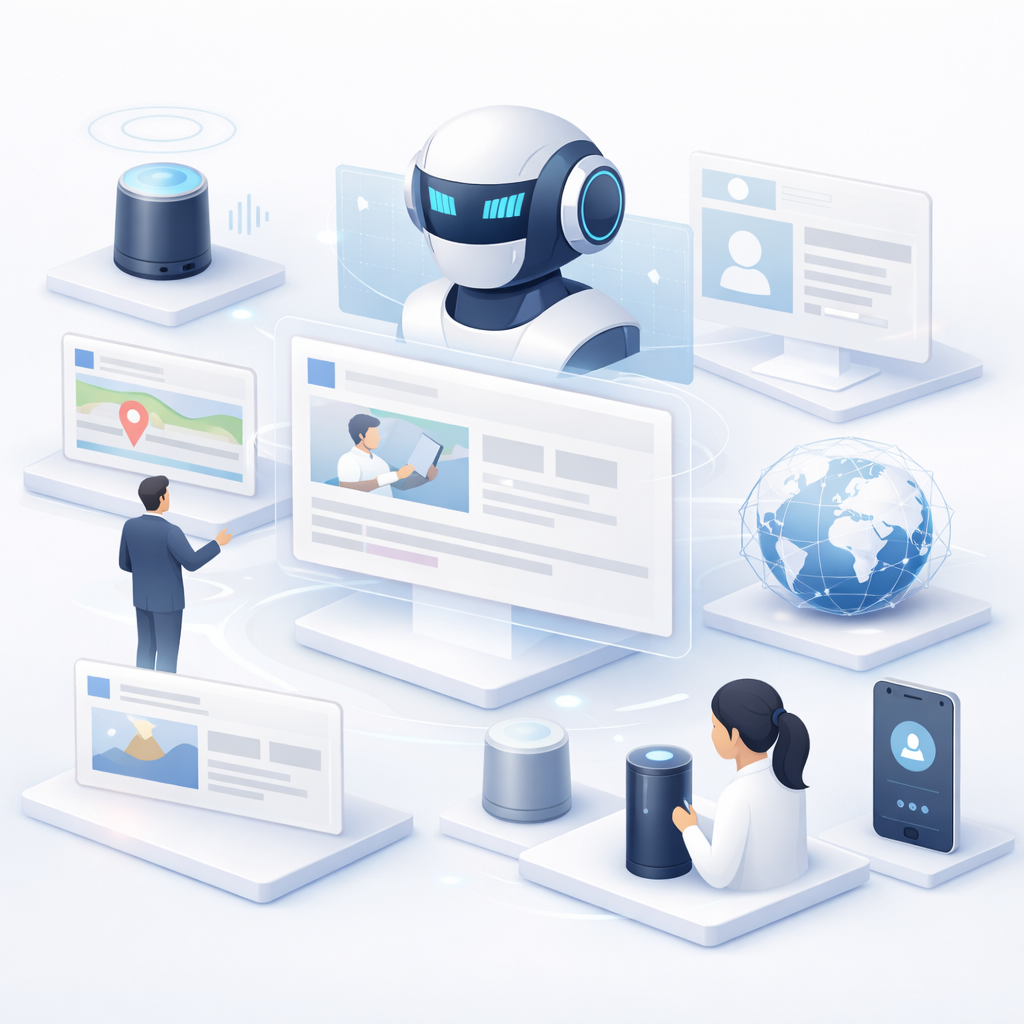
In Singapore, zero click search means AI SEO optimisation is needed to improve visibility within AI-generated search experiences and answer-based search environments. Rather than relying solely on website visits, this approach seeks to maximise exposure across search features where users consume information directly.
The Relationship Between AI SEO and Zero-Click Search
AI SEO and zero-click optimisation are closely connected. AI SEO focuses on helping artificial intelligence systems understand, retrieve, and utilise information. Zero-click SEO focuses on ensuring that information remains visible when users receive answers directly within search environments.
Together, they support:
- Higher brand visibility
- Stronger entity recognition
- Increased AI citations
- Better answer engine optimisation
- Greater SERP dominance
Why It Matters for Singapore Businesses
Singapore has one of the highest rates of digital adoption globally. Consumers increasingly use:
- Mobile-first search experiences
- AI-assisted search tools
- Voice assistants
- Generative AI platforms
- Conversational search interfaces
Businesses that optimise only for traditional rankings may miss opportunities to appear within these emerging search experiences.
Types of Zero-Click Results
Zero-click search results appear in several formats across modern search engines. Understanding these formats helps organisations identify where visibility opportunities exist.
AI Overviews
AI Overviews provide AI-generated summaries that answer user questions directly. These summaries often combine information from multiple sources and may include citations to websites considered authoritative.
They are becoming one of the most influential forms of AI search results because they frequently occupy premium positions at the top of search pages.
Featured Snippets
Featured snippets extract specific content from webpages and display it prominently within search results. Common formats include:
- Paragraph snippets
- List snippets
- Numbered steps
- Tables
Featured snippets continue to influence AI-generated answers because many AI systems rely on clearly structured information.
Knowledge Panels
Knowledge panels display entity-based information about organisations, brands, people, and topics. Information commonly includes:
- Business details
- Company descriptions
- Social profiles
- Key facts
- Related entities
Knowledge panels are heavily influenced by knowledge graph optimisation.
Local Packs
Local packs display business information for location-based searches. These results often include:
- Maps
- Reviews
- Contact details
- Operating hours
- Directions
Users frequently obtain the information they need without visiting a website.
People Also Ask
People Also Ask sections provide expandable question-and-answer content. These results encourage users to continue exploring topics without leaving the search engine. Well-structured content often appears within these answer boxes.
Voice Search Responses
Voice assistants usually provide a single spoken answer. Unlike traditional search results where multiple listings compete for attention, voice search often selects one source. This makes authority and answer quality particularly important.
Zero-Click Search Statistics and Trends in 2026
Zero-click search behaviour continues to expand as AI technologies become integrated into mainstream search experiences. Several trends are shaping the future of search visibility.
Trend 1: AI Overviews Are Expanding
Search engines increasingly provide complete answers directly within search results. This reduces the need for users to visit multiple websites to gather information.
Trend 2: Informational Searches Are Most Affected
Users seeking definitions, explanations, comparisons, and educational content are more likely to receive direct answers. Industries heavily dependent on informational traffic may experience greater changes in click behaviour.
Trend 3: Entity Recognition Is Becoming More Important
Search engines are moving beyond keywords to evaluating:
- Organisations
- Individuals
- Brands
- Products
- Services
This shift strengthens the importance of optimising for entity SEO in Singapore.
Trend 4: AI Citation Opportunities Are Growing
Although some searches generate fewer clicks, more opportunities now exist for brands to appear as cited sources. This can strengthen authority, trust, and long-term brand awareness.
Trend 5: Search Is Becoming More Conversational
Users increasingly phrase queries as natural-language questions, such as:
- What is AI SEO?
- How do AI Overviews work?
- Why are clicks decreasing?
Content that answers these questions directly is more likely to be selected by AI systems.
Summary of Current Search Trends
Trend | Business Impact |
AI-generated answers | Reduced informational clicks |
Conversational search | More question-based queries |
Entity-driven search | Greater importance of authority |
AI citations | New visibility opportunities |
Voice search growth | Increased answer-first content demand |
Knowledge graph expansion | Stronger entity optimisation requirements |
AI Overviews vs Featured Snippets vs Knowledge Panels
Each search feature serves a different purpose within modern search ecosystems. Understanding these differences helps businesses prioritise optimisation efforts.
Feature | Primary Purpose | Click Potential | Brand Visibility | AI SEO Value |
AI Overview | Generate complete answers | Low to Medium | Very High | Critical |
Featured Snippet | Provide direct answers | Medium | High | High |
Knowledge Panel | Display entity information | Low | Very High | Critical |
Local Pack | Support local discovery | High | High | Medium |
Voice Search | Deliver spoken answers | Low | High | High |
People Also Ask | Expand related questions | Medium | Medium | Medium |
Businesses should not view these features as competing opportunities. Instead, they should aim to occupy multiple search surfaces simultaneously.
The W360 Zero-Click Visibility Framework
In Singapore, successful zero click search through AI SEO requires more than traditional keyword optimisation. Therefore getting the assistance of a trusted SEO agency like W360 Asia is ideal for long-term success and visibility.
At W360, our zero-click visibility framework focuses on the key factors that influence AI search visibility.
Framework Pillar | Objective | Outcome |
Entity Authority | Build machine understanding | Knowledge graph recognition |
Content Extraction | Improve answer retrieval | AI citations |
Structured Data | Enhance machine interpretation | Rich search features |
Trust Signals | Strengthen credibility | Higher citation confidence |
Topical Authority | Demonstrate expertise | Greater search visibility |
Organisations that strengthen all five pillars are more likely to appear consistently across AI search environments.
Why Zero Click Searches Are Growing
Zero-click searches are growing because search engines are increasingly designed to solve user needs immediately rather than directing users elsewhere for information.
The introduction of AI-powered search experiences has accelerated this trend. Search engines now function as answer engines rather than simple website directories. Users can obtain explanations, comparisons, recommendations, and definitions without leaving the search results page.
For businesses, this means visibility must be measured beyond website visits.
AI Overviews
AI Overviews are AI-generated summaries that provide comprehensive answers directly within search results.
These summaries typically combine information from multiple trusted sources and present it in a structured format. Instead of clicking through several websites, users receive a consolidated answer immediately.
Why AI Overviews Matter
AI Overviews frequently occupy the most prominent area of search results. When a business is referenced within an AI Overview, it may gain:
- Increased authority
- Improved brand recognition
- Enhanced trust
- Greater visibility among potential customers
Because AI systems select information from sources they consider reliable, appearing in AI Overviews often reflects strong content quality and topical authority.
Characteristics of AI Overview-Friendly Content
Content that performs well within AI Overviews commonly demonstrates:
- Clear definitions
- Direct answers
- Logical structure
- Factual accuracy
- Strong topical coverage
AI systems favour content that can be extracted, summarised, and cited without ambiguity.
AI Overviews and Singapore Businesses
For businesses in Singapore, AI Overviews create opportunities to appear in front of highly targeted audiences during research phases, such as:
- Professional service comparisons
- Healthcare information searches
- Educational programme research
- B2B solution evaluations
In many cases, users may encounter a company through AI-generated answers long before visiting the website.
Featured Snippets
Featured snippets are selected search results displayed prominently above traditional organic listings. Their purpose is to answer specific user questions quickly and accurately.
Although featured snippets existed before generative AI, they remain highly relevant because many AI systems rely on snippet-friendly content when generating responses.
Common Featured Snippet Formats
Search engines typically display featured snippets as:
Format | Typical Use |
Paragraph | Definitions and explanations |
Numbered List | Processes and instructions |
Bulleted List | Classifications and summaries |
Table | Comparisons and structured data |
Why Featured Snippets Support AI SEO
Featured snippets help search engines identify information that is:
- Well structured
- Easy to understand
- Relevant to user intent
- Reliable enough to surface prominently
This alignment makes featured snippet optimisation a valuable component of AI Overview optimisation.
Best Practices
Businesses seeking featured snippet visibility should:
- Answer questions directly.
- Use descriptive headings.
- Include concise summaries.
- Structure information clearly.
- Support answers with context.
These practices also improve the likelihood of AI citations.
Knowledge Panels
Knowledge panels provide entity-based information about businesses, organisations, individuals, and recognised topics. Unlike traditional search results, knowledge panels focus on identity rather than content.
They help search engines answer questions such as:
- Who is this organisation?
- What services does it provide?
- How is it connected to other entities?
Why Knowledge Panels Matter
Knowledge panels improve visibility even when users never click through to a website. They can display:
- Company descriptions
- Contact details
- Social profiles
- Reviews
- Business categories
- Related entities
This information often satisfies user intent immediately.
The Role of Knowledge Graph Optimisation
Knowledge graph optimisation helps search engines understand entity relationships. Strong entity signals include:
- Consistent business information
- Organisation schema
- Author entities
- Industry references
- External citations
These factors contribute to stronger entity recognition across search platforms.
Knowledge Panels and Brand Visibility
A complete knowledge panel can strengthen:
- Brand awareness
- Credibility
- Search trust
- User confidence
This makes knowledge panels a critical component of a no-click search strategy.
Voice Assistants
Voice assistants are one of the purest examples of zero-click search. Users ask a question and receive a spoken answer without viewing traditional search results, for example:
- Voice-enabled mobile searches
- Smart speaker queries
- In-car assistant searches
- AI-powered virtual assistants
Why Voice Search Matters
Voice search typically selects only one answer which means competition is significantly higher because businesses are not competing for ten positions on a search results page.
Characteristics of Voice Search Content
Voice-friendly content often includes:
- Natural language
- Conversational phrasing
- Question-answer formats
- Clear definitions
- Concise explanations
These same characteristics are increasingly important for AI search results.
Future Impact
As conversational AI adoption increases, voice search optimisation and answer engine optimisation will become more closely connected. Businesses that build answer-first content today will be better positioned for future search environments.
How Businesses Can Benefit
Zero-click search visibility can create measurable business value even when users do not immediately visit a website. The key benefit is increased exposure during the information-gathering stage of the customer journey.
Brand Awareness
Brand awareness is how familiar users become with a business over time. Repeated visibility within AI search results can strengthen recognition even without direct website visits.
For example, a business that appears consistently within:
- AI Overviews
- Featured snippets
- Knowledge panels
- Voice assistant responses
may become recognised as an authoritative source within its industry.
Why Brand Awareness Matters
Users often require multiple interactions before taking action. AI-generated visibility can create those interactions earlier in the decision-making process. Over time, increased visibility can contribute to more branded searches, greater trust, and stronger market presence
This makes brand visibility strategies in SEO an increasingly important objective.
Authority Building
Authority refers to how search engines and users perceive expertise within a specific topic area. AI systems tend to reference sources they consider authoritative.
How Authority Is Established
Authority is often built through:
- Comprehensive content
- Expert insights
- Industry recognition
- Consistent publishing
- Strong entity signals
The more frequently a source is recognised as reliable, the more likely it is to be cited in future AI search results.
Authority and AI Search Results
AI search systems increasingly evaluate:
- Content quality
- Entity relationships
- Topic depth
- Trust signals
Businesses that invest in authority-building often gain greater long-term visibility.
Lead Generation
Lead generation can occur even when initial search interactions do not result in clicks. Users frequently move through multiple touchpoints before becoming customers.
Example Customer Journey
A typical journey may look like this:
Stage | User Action |
Awareness | Reads AI Overview |
Research | Encounters brand repeatedly |
Consideration | Searches brand directly |
Evaluation | Visits website |
Conversion | Makes enquiry |
In this scenario, zero-click visibility influences the conversion despite not generating the first website visit.
Measuring Lead Influence
Businesses should evaluate:
- Branded search growth
- Assisted conversions
- Direct traffic increases
- Lead attribution pathways
These metrics provide a broader understanding of search performance.
Trust Signals
Trust signals help both users and AI systems evaluate credibility. Search engines increasingly prioritise trustworthy information sources.
Common Trust Signals
Examples include:
- Professional credentials
- Expert authorship
- Industry certifications
- Reviews
- Accurate business information
- Consistent branding
Why Trust Matters in AI Search
AI systems seek reliable sources when generating answers. Stronger trust signals increase the likelihood that content will be:
- Selected
- Referenced
- Cited
- Recommended
Trust therefore plays a central role in both AI SEO and answer engine optimisation.
How Zero Click Search Impacts Singapore Businesses
The impact of zero-click search varies across industries. Certain sectors are particularly affected because users often seek informational content before contacting a provider.
Professional Services
Professional service firms frequently answer educational queries such as:
- Legal information
- Tax guidance
- Business advisory topics
- Compliance explanations
AI systems summarise this information directly within search results. Therefore, firms that publish authoritative content can gain visibility even before potential clients visit their websites.
Healthcare
Healthcare searches often involve informational intent. Users commonly search for:
- Symptoms
- Conditions
- Treatments
- Procedures
AI-generated answers frequently appear for these searches. Medical providers with strong expertise signals may benefit from increased visibility through AI citations and featured answers.
Education
Educational institutions rely heavily on information discovery. Students and professionals frequently search for:
- Courses
- Certifications
- Skills training
- Career pathways
These searches increasingly trigger AI-generated summaries. Institutions that create structured educational content can improve visibility within AI search environments.
B2B Companies
B2B purchasing decisions often involve extensive research. Decision-makers typically seek:
- Industry insights
- Technical explanations
- Solution comparisons
- Best practices
AI search systems increasingly assist with this research process. Strong topical authority can help B2B companies become visible during early-stage decision making.
Real Estate
Property-related searches frequently involve informational queries. Examples include:
- Market trends
- Investment guides
- Location comparisons
- Property terminology
These searches are increasingly influenced by AI-generated summaries. Visibility during research stages can contribute to future enquiries.
Financial Services
Financial topics often involve trust-sensitive information so search engines place significant emphasis on authority and credibility within these sectors. Strong entity recognition and expert content can improve visibility for:
- Insurance providers
- Financial advisors
- Investment firms
- Wealth management companies
Businesses that establish expertise may benefit from increased AI citation opportunities.
Common Mistakes
Many organisations continue using SEO strategies designed for a search environment that no longer exists. Several mistakes can reduce visibility within AI search results.
Chasing Clicks Only
Businesses that focus exclusively on traffic may overlook growing opportunities within AI search experiences. Visibility, authority, and brand recognition increasingly contribute to long-term performance.
Ignoring Entity SEO
Search engines increasingly understand businesses as entities rather than collections of keywords. Organisations that neglect entity optimisation may struggle to gain recognition within AI systems.
Weak Topic Coverage
Publishing isolated articles often limits authority development. Comprehensive topic coverage typically produces stronger visibility signals.
Poor Content Structure
AI systems favour content that is easy to interpret. Unstructured content may be more difficult to extract and summarise.
Neglecting Trust Signals
Authority alone is not sufficient. Trust indicators help AI systems evaluate whether information should be surfaced to users.
The W360 Zero-Click Visibility Framework in Action
A successful Singapore Zero Click Search AI SEO strategy requires more than publishing content and targeting keywords. Modern search engines evaluate how well a business is understood as an entity, how trustworthy its information appears, and how easily AI systems can retrieve and reuse its content.
The W360 Zero-Click Visibility Framework consists of five interconnected pillars that support visibility across AI search results, AI Overviews, featured snippets, knowledge panels, and answer engines.
Pillar | Objective | Search Benefit |
Entity Authority | Improve machine understanding | Knowledge Graph visibility |
Content Extraction | Improve answer retrieval | AI citations |
Structured Data | Improve machine interpretation | Rich search features |
Trust Signals | Increase confidence | Greater citation eligibility |
Topical Authority | Demonstrate expertise | Long-term SERP dominance |
Businesses that strengthen all five pillars are more likely to achieve sustainable visibility within modern search ecosystems.
Optimisation Framework
Zero-click visibility is not achieved through a single ranking factor. It requires multiple optimisation layers working together.
Structured Answers
Structured answers help search engines identify and extract information efficiently. Modern AI systems often prefer content that follows a predictable format.
A strong answer structure generally includes:
- Direct answer
- Definition
- Context
- Supporting explanation
- Practical example
For example, if a page answers “What is AI SEO?”, the first paragraph should immediately provide a concise definition before expanding into detailed discussion. This structure improves both visibility in featured snippets and SEO performance and AI citation opportunities.
Why Structured Answers Matter
Search engines process billions of pages. Content that is easier to interpret often has a greater chance of being selected for answer generation. Other benefits include:
- Improved answer extraction
- Higher featured snippet eligibility
- Better AI Overview optimisation
- Enhanced readability
Structured answers support both human readers and machine learning systems.
Entity Optimisation
Entity optimisation focuses on helping search engines understand who a business is and how it relates to other entities. Modern search engines increasingly prioritise entities over keywords.
For example, a search engine may understand:
- A business
- Its founders
- Its services
- Its industry
- Its location
- Its relationships with other entities
rather than relying solely on keyword matching.
Entity SEO in Singapore Best Practices
Effective entity optimisation typically includes:
- Consistent business information
- Author entity development
- Organisation schema
- Industry citations
- Brand mentions across authoritative sources
The goal is to create a clear digital identity that AI systems can recognise confidently.
Why Entity SEO Supports Zero-Click Visibility
Knowledge panels, AI Overviews, and AI-generated summaries frequently rely on entity relationships. The stronger the entity signals, the greater the likelihood of appearing within these search features.
Schema Markup
Schema markup provides machine-readable context that helps search engines understand content. Although schema markup does not guarantee rankings, it can improve interpretation and search feature eligibility.
Common Schema Types
Several schema types support AI SEO initiatives.
Schema Type | Purpose |
Organisation | Business identity |
Person | Author recognition |
FAQ | Question-answer content |
Article | Content classification |
Service | Service information |
Local Business | Location details |
Review | Credibility signals |
How Schema Supports AI Search Results
Schema provides structured information that can assist search engines in:
- Entity recognition
- Content classification
- Relationship mapping
- Search feature generation
This makes schema markup an important component of knowledge graph optimisation.
Schema and Future Search
As AI systems become increasingly dependent on structured information, schema markup may play an even greater role in helping machines understand content accurately.
Topical Authority
Topical authority refers to the depth and breadth of expertise demonstrated across a subject area. Search engines increasingly favour websites that cover topics comprehensively rather than superficially.
What Topical Authority Looks Like
A website focusing on AI SEO might cover:
- AI SEO fundamentals
- Entity SEO
- Schema markup
- AI Overviews
- GEO
- AEO
- Content extraction
- AI citation strategies
This interconnected coverage demonstrates expertise more effectively than a single article.
Why Topic Clusters Matter
Topic clusters help establish semantic relationships.
For example:
Pillar Topic | Supporting Topics |
AI SEO | Entity SEO, GEO, AEO |
Zero Click Search | AI Overviews, Snippets |
Schema Markup | Structured Data, Knowledge Graph |
AI Search Results | Citation Optimisation, Entity Signals |
Topic clusters strengthen topical authority and improve content discoverability.
Winning AI Overviews
Since AI Overviews often occupy the most visible positions within search results, AI Overview optimisation has become one of the most important objectives in modern search marketing to influence user perceptions.
How AI Overviews Select Content
AI systems typically evaluate content based on:
- Relevance
- Authority
- Trustworthiness
- Clarity
- Topic coverage
The goal is to identify sources that provide accurate, useful information. Although exact selection criteria remain proprietary, certain content patterns consistently appear within cited sources.
Content Structure for AI Overview Visibility
Content should be organised in a way that supports extraction. Effective structures typically include:
- Clear headings
- Concise answers
- Definitions
- Supporting evidence
- Logical progression
Long blocks of text without structure can make content more difficult for AI systems to interpret.
Example Structure
Question:
What is Zero Click Search AI SEO?
Answer:
Zero Click Search AI SEO is the practice of optimising content and entities to increase visibility within AI-generated search results where users receive answers without clicking through to websites.
Supporting Explanation:
Expanded discussion follows after the direct answer. This format supports both users and AI systems.
Question-Answer Formatting
Many AI-generated search results originate from pages that answer specific questions directly, for example:
- What is AI SEO?
- How do AI Overviews work?
- Why are zero-click searches increasing?
- What is entity SEO?
Benefits of Question-Based Content
Question-answer formatting can support:
- Featured snippets
- People Also Ask results
- Voice search
- AI citations
This structure aligns closely with conversational search behaviour.
Expert Signals
Expert signals help demonstrate credibility and subject matter expertise. Search engines increasingly seek evidence that information originates from qualified sources.
Common Expert Signals
Examples include:
- Industry experience
- Author profiles
- Professional credentials
- Published expertise
- Media mentions
Strong expert signals can strengthen confidence in content quality.
Expert Signals and AI Search
AI systems often seek authoritative sources when generating answers. Clear evidence of expertise may improve visibility opportunities.
E-E-A-T
E-E-A-T stands for:
- Experience
- Expertise
- Authoritativeness
- Trustworthiness
Although not a direct ranking factor, it provides a useful framework for evaluating content quality.
Experience
Experience demonstrates first-hand knowledge. Examples include:
- Practical insights
- Real-world examples
- Case studies
- Industry observations
Expertise
Expertise reflects subject matter knowledge which can be demonstrated through:
- Qualifications
- Published work
- Professional experience
Authoritativeness
Authority reflects recognition within an industry. Signals include:
- Citations
- References
- Industry recognition
- Brand reputation
Trustworthiness
Trustworthiness focuses on accuracy, transparency, and reliability. Strong trust signals are increasingly important in AI search environments.
How Generative Engine Optimisation Supports Zero-Click Visibility
Generative Engine Optimisation (GEO) focuses on improving how content is discovered, interpreted, and cited by AI systems. While traditional SEO focuses on rankings, GEO focuses on AI retrieval and citation.
What Is GEO?
GEO is the practice of optimising content for generative AI platforms and AI-powered search experiences. The objective is to increase the likelihood that content becomes part of AI-generated answers.
This extends beyond traditional ranking considerations.

Key GEO Components
Several factors influence GEO performance.
Entity Recognition
AI systems need to understand:
- Who created the content
- What the business represents
- How the entity relates to other entities
Entity clarity improves retrieval confidence.
Citation Optimisation
Content should be:
- Accurate
- Structured
- Well-organised
- Easy to reference
This improves citation opportunities.
Passage Extraction
AI systems often retrieve specific passages rather than entire pages. Content should therefore contain self-contained sections that can be understood independently.
Knowledge Graph Relationships
Knowledge graphs help connect:
- Businesses
- People
- Topics
- Services
These relationships strengthen entity understanding.
GEO and AI Search Results
Businesses that optimise for GEO may benefit from:
- Greater AI citations
- Improved visibility
- Enhanced authority
- Stronger entity recognition
As AI-powered search expands, GEO is likely to become increasingly important.
Measuring Success Beyond Traffic
Traditional SEO metrics alone no longer provide a complete picture of performance. Businesses should evaluate multiple indicators when assessing AI SEO success.
Branded Searches
Branded search growth often indicates increasing awareness and trust. Users who discover a company through AI search results may later search directly for the brand.
Assisted Conversions
Many conversions involve multiple touchpoints. AI-generated visibility may influence decisions long before a website visit occurs.
Impression Growth
Search impressions reveal how often users encounter a brand. This metric becomes increasingly important in no-click environments.
AI Citations
AI citations represent direct visibility within AI-generated answers. Tracking citations can help evaluate authority and AI search performance.
Entity Visibility
Entity visibility measures how frequently a business appears within knowledge graph-driven experiences. This metric is becoming increasingly valuable as search evolves.
Future of Zero Click Search

Zero-click search is expected to continue evolving as artificial intelligence becomes more integrated into how information is discovered, evaluated, and delivered.
The future of search is unlikely to be defined by rankings alone. Instead, visibility, entity recognition, trust signals, and AI citations will become increasingly important components of digital presence.
Businesses that adapt early can position themselves more effectively within emerging AI-driven search environments.
AI Agents
AI agents are systems capable of performing tasks, gathering information, and making recommendations on behalf of users. Unlike traditional search engines that provide links, AI agents may perform actions such as:
- Researching suppliers
- Comparing products
- Evaluating services
- Summarising information
- Recommending providers
This changes how businesses are discovered.
Why AI Agents Matter
AI agents may increasingly become intermediaries between users and websites.
Instead of a user manually researching ten websites, an AI agent may review information and present a shortlist of recommendations.
Businesses with strong entity authority, trust signals, and structured information are more likely to be included within these recommendations.
Preparing for AI Agent Search
Businesses should focus on:
- Entity optimisation
- Structured data
- Accurate business information
- Comprehensive topic coverage
- Strong E-E-A-T signals
These elements improve machine understanding and recommendation potential.
Personalised Search
Personalised search refers to search experiences that adapt based on context, behaviour, preferences, and intent. AI systems increasingly generate different answers for different users.
Factors Influencing Personalised Search
Several variables may affect AI-generated results:
- User location
- Search history
- Device type
- Industry context
- Previous interactions
- Behavioural patterns
As personalisation increases, businesses may appear in different search experiences depending on audience relevance.
Impact on SEO
Traditional ranking positions become less meaningful when search results vary between users.
Visibility therefore becomes more important than a single ranking position.
Businesses should focus on becoming recognised entities within their industries rather than targeting rankings alone.
Predictive Search
Predictive search aims to anticipate information needs before users explicitly request them. AI systems are becoming increasingly capable of identifying likely questions and surfacing relevant information proactively.
Examples of Predictive Search
Predictive search may involve:
- Suggested follow-up questions
- Related recommendations
- AI-generated summaries
- Contextual information displays
Users may receive information before they actively seek it.
What This Means for Businesses
Businesses that create comprehensive, interconnected content are more likely to appear within predictive search environments. Topical authority becomes increasingly important because predictive systems often rely on broad topic understanding rather than isolated keywords.
Building a Sustainable No-Click Search Strategy
A sustainable no-click search strategy requires long-term investment in content quality, entity development, and authority building. Rather than chasing individual search features, businesses should focus on creating assets that remain valuable regardless of how search interfaces evolve.
The Five Core Priorities
The following priorities support long-term visibility across AI search results.
1. Strengthen Entity Authority
Search engines increasingly rely on entities rather than keywords. Businesses should ensure:
- Consistent branding
- Accurate business information
- Organisation schema
- Industry references
- Author profiles
These signals help search engines understand the business more effectively.
2. Create Extractable Content
Content should be easy for AI systems to interpret. This includes:
- Clear definitions
- Question-answer formats
- Descriptive headings
- Structured sections
- Concise summaries
Extractable content improves AI citation opportunities.
3. Expand Topical Coverage
Comprehensive topic coverage strengthens authority. Rather than publishing isolated articles, businesses should build content ecosystems that cover entire subject areas.
This supports:
- Entity recognition
- Knowledge graph relationships
- AI Overview visibility
- SERP dominance
4. Improve Trust Signals
Trust influences whether content is selected and cited. Businesses should strengthen:
- Author credentials
- Reviews
- Industry recognition
- Transparency
- Business verification
Trust signals support both users and AI systems.
5. Measure Beyond Traffic
Success should not be measured solely through clicks. Modern search visibility includes:
- AI citations
- Impression growth
- Branded searches
- Assisted conversions
- Entity visibility
These metrics provide a more complete understanding of performance.
Frequently Asked Questions
Zero-click searches are increasing because search engines now provide direct answers through AI-generated responses, featured snippets, knowledge panels, and voice assistants. Users can often obtain information immediately without needing to visit external websites.
No. SEO remains important because AI systems still require trusted sources from which to retrieve information. The focus is expanding beyond rankings and traffic to include AI citations, entity recognition, visibility, and brand authority.
Traditional SEO primarily focuses on improving rankings and attracting website visits. AI SEO focuses on helping artificial intelligence systems understand, retrieve, summarise, and cite content across AI search experiences and generative platforms.
Entity SEO helps search engines understand organisations, people, products, and services as identifiable entities. Strong entity signals improve knowledge graph visibility and increase the likelihood of appearing within AI-generated answers.
Schema markup provides structured information that helps search engines understand content more accurately. It supports entity recognition, content classification, and eligibility for enhanced search features.
Businesses can improve visibility by creating structured content, answering questions clearly, demonstrating expertise, implementing schema markup, and building comprehensive topical authority. Content that is easy for AI systems to interpret is more likely to be cited.
AI citations occur when AI-generated search results reference information from a source. These citations help increase brand visibility and authority, even when users do not click through to the website.
Businesses should evaluate a combination of metrics including branded search growth, search impressions, AI citations, assisted conversions, entity visibility, and overall search presence. These indicators provide a broader view of performance than traffic alone.
No. Businesses of all sizes can benefit from zero-click visibility. Small and medium-sized organisations that demonstrate expertise, authority, and strong entity signals can also appear within AI-generated search experiences.
From Rankings to Search Visibility
Due to the rise in Singapore user’s zero click searches, AI SEO is fast becoming a necessity with the changes to how search engines deliver information and users consume it. While traditional rankings and traffic remain important, they no longer represent the complete picture since AI Overviews, featured snippets, voice assistants, and other answer-based search features are reshaping digital discovery.
Businesses that invest in strategies for AI Overview optimisation, structured content, knowledge graph optimisation and entity SEO in Singapore, are better positioned to remain visible as search continues evolving.
The organisations most likely to succeed will be those that focus not only on earning clicks but also on becoming trusted sources of information that AI systems can recognise and cite.
Strengthen Your AI Search Visibility Strategy
As AI search results continue to influence how users discover information, businesses should regularly assess whether their content, entities, and digital assets are optimised for modern search experiences.
If you are seeking to improve visibility of your business across AI search results and zero-click environments, explore AI SEO initiatives with W360 Group Pte Ltd.
Want to discuss your requirements and evaluate opportunities for improvement? Get a quote.