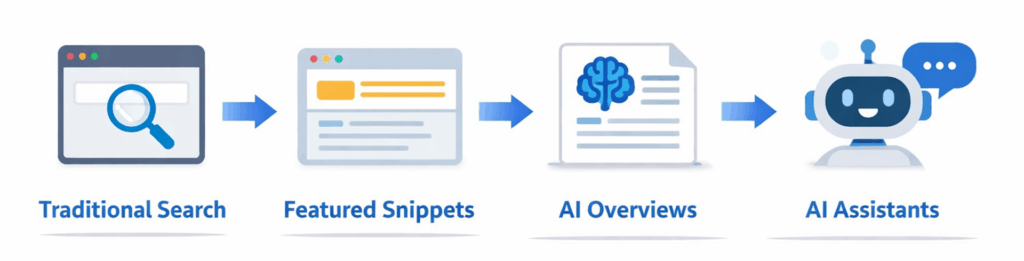
The Shift from Search Engines to Answer Engines
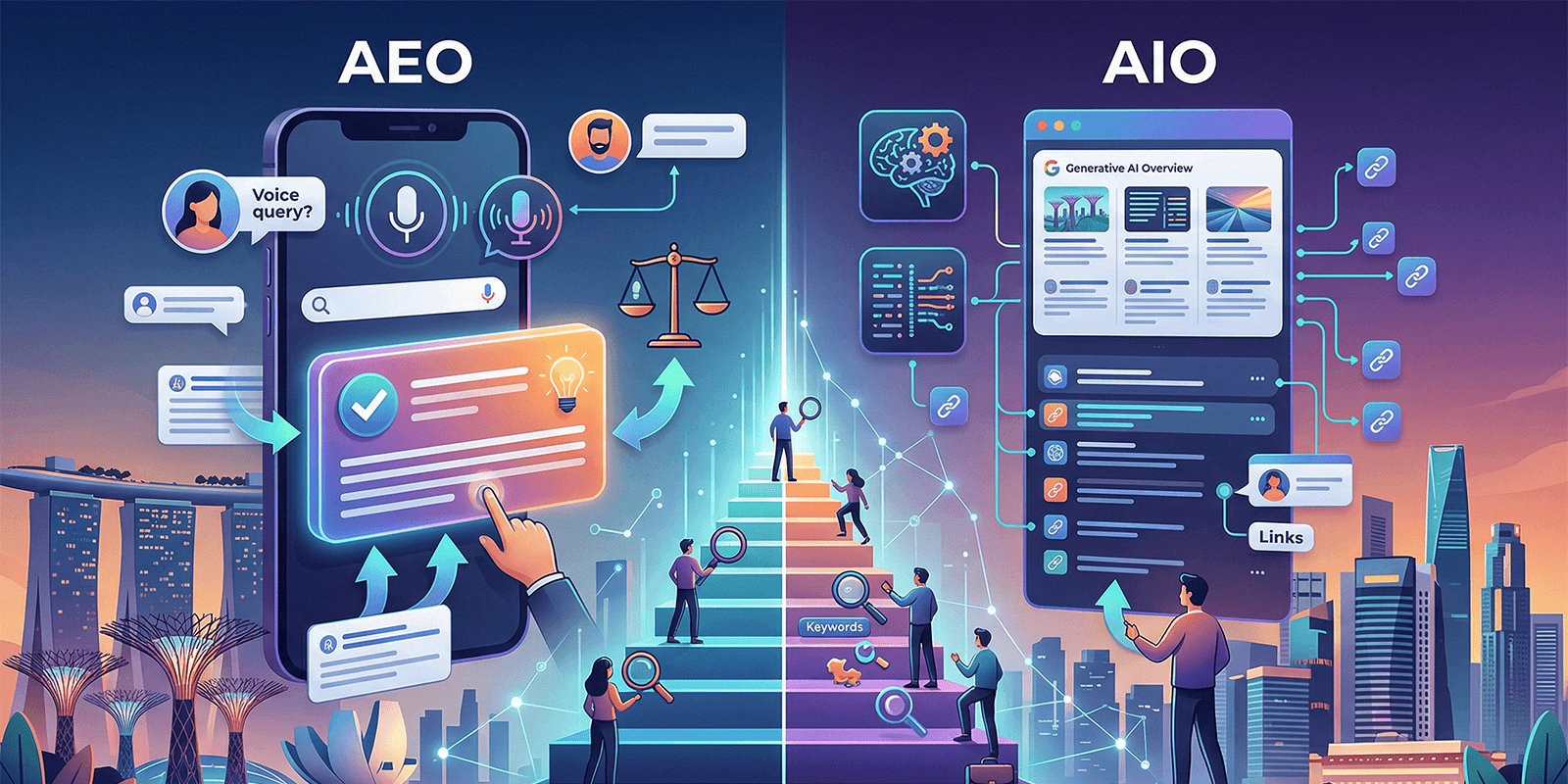
Search behaviour has shifted from browsing blue links to receiving direct answers. Traditional SEO focused on ranking web pages, while modern search increasingly delivers responses through AI-generated summaries and structured results. Today, AI-powered search features and digital assistants such as Google Assistant and Siri can deliver direct responses to user queries, making it increasingly important for businesses to adapt content for AI-driven search environments.
AI-powered features such as Google AI Overviews, chat-based interfaces like ChatGPT, Claude, and Perplexity, and the broader rise of zero-click search behaviour now give users immediate answers without always requiring a website click. To stay visible in these environments, businesses need content that is clear, structured, and easy for search engines and AI systems to interpret. Brand mentions also matter, as search engines and AI systems use entity understanding to connect brands, products, services, and related topics. This shift is especially relevant in Singapore, where digital adoption is high, and competition in search engine results pages is strong.
Answer Engine Optimisation (AEO), also known as answer engine optimisation, and AI Optimisation (AIO) are two complementary approaches in this evolving search landscape. AEO focuses on making content easier to extract for direct answers. In contrast, AIO focuses on improving the likelihood that a brand or webpage is referenced in AI-generated summaries and multi-source responses. As search continues to evolve, so does the importance of AEO and AIO in Singapore for businesses to stay competitive.
AIO Summary Block
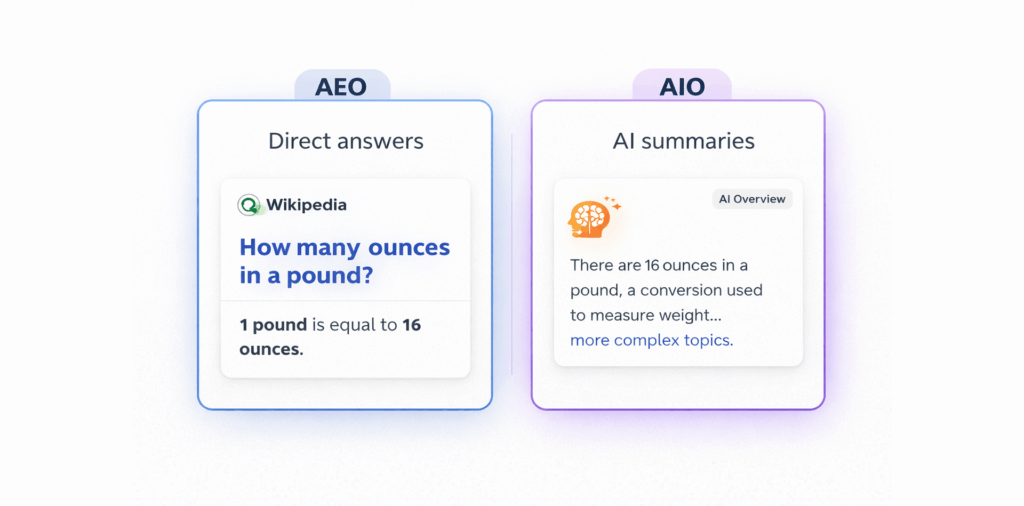
Answer Engine Optimisation (AEO) is the practice of structuring content so search engines can extract it for direct answers in formats such as featured snippets, People Also Ask results, and some voice search responses. AI Optimisation (AIO), often discussed alongside Generative Engine Optimisation (GEO), refers to improving content quality, topical depth, and entity clarity to increase the likelihood of being referenced in AI-generated summaries and AI-assisted search experiences.
In Singapore, search engine optimisation, AI search optimisation, and generative search engine optimisation are becoming increasingly relevant as search interfaces continue to evolve. Strong technical SEO, clear information architecture, structured data, and trustworthy content all support visibility across both traditional and AI-driven search experiences. AI Overviews and other AI-assisted search features are becoming additional discovery channels, but they still build on the same core foundations: crawlability, clarity, authority, and relevance.
What is AEO (Answer Engine Optimisation)?
Answer Engine Optimisation refers to the process of structuring content so search engines can extract and display it as a direct answer. The goal of AEO is to provide concise, accurate responses that match user queries without always requiring users to navigate through an entire webpage. In practical terms, AEO increases the likelihood that content will appear in highly visible SERP features where users want immediate answers.
This matters because users increasingly search in a question-based way. Instead of browsing several pages to find an answer, they often expect search engines to provide the answer directly. AEO helps meet that expectation by making content easier to interpret, extract, and present in formats that support quick information retrieval.
How AEO Works
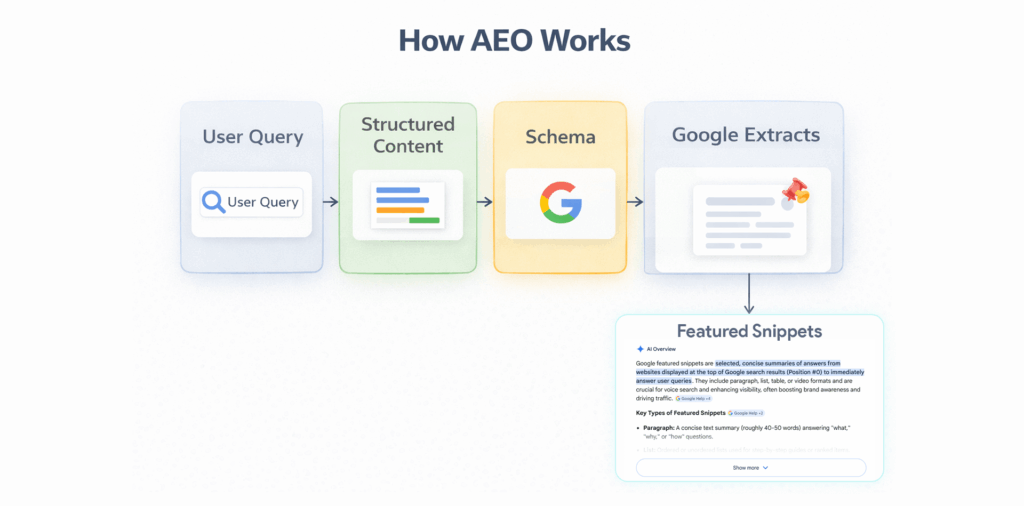
AEO works by aligning content with clear search intent and formatting it so search engines can easily parse it. The process usually begins by identifying question-based queries and answering them directly with clear, concise language. Content that is logically structured performs better because it reduces ambiguity for both users and search engines.
AEO typically involves:
- Identifying question-based search queries
- Providing clear, concise answers immediately after headings
- Using structured formatting such as bullet points and lists
- Implementing relevant schema markup
- Aligning content with specific user intent
The following elements support AEO performance:
- Direct Answer Formatting: Clearly defined questions followed by concise answers
- Structured Data: Use of schema markup, such as FAQPage or Organisation, where relevant
- Clear Heading Hierarchy: Logical use of H2 and H3 headings
- FAQ Integration: Question-based sections that reflect real user searches
- Readable Formatting: Short paragraphs, lists, and scannable sections
When these elements are combined, the result is content that is more accessible for extraction into answer-based formats. This does not guarantee visibility, but it improves the page’s readiness for direct-answer opportunities.
Examples of AEO in Singapore SERPs
In Singapore, AEO can appear in several common search formats designed to give users fast access to information. Featured snippets often surface a short paragraph, list, or table above standard organic results. People Also Ask boxes display related questions and short answers, while voice assistants may pull responses from well-structured content that closely aligns with the spoken query.
These formats are especially valuable because they appear prominently in search results. For businesses, this means AEO is not only about traffic, but also about visibility, brand recall, and authority in the eyes of both users and search engines.
What is AIO (AI Optimisation / AI Overviews Optimisation)?
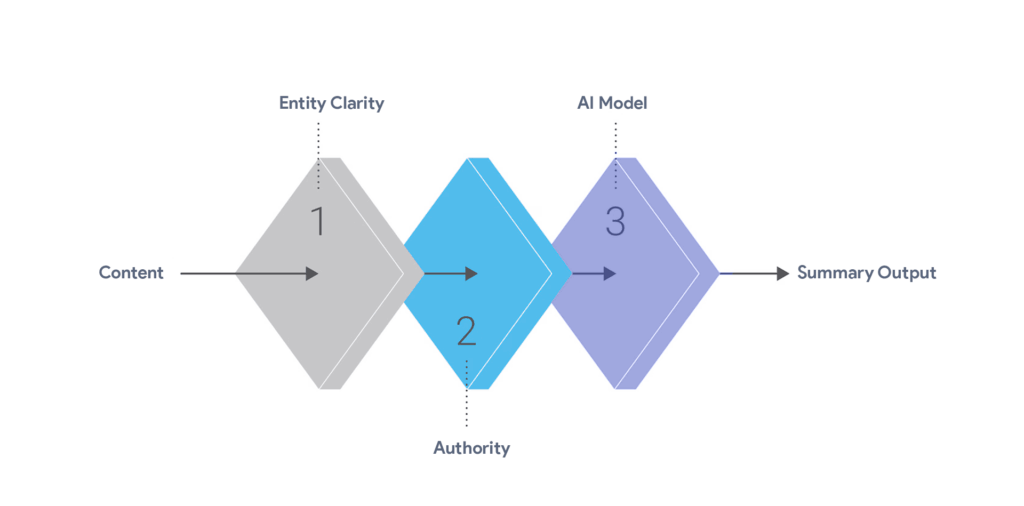
Definition of AIO
AI Optimisation is the process of improving content so it is more likely to be included in AI-generated summaries and AI-assisted search results. It is often discussed alongside Generative Engine Optimisation because both focus on how content is interpreted, selected, and synthesised by AI systems rather than ranked in a list of webpages.
Unlike traditional SEO, which often emphasises rankings and clicks, AIO is concerned with whether a page or brand becomes part of the answer itself. This makes it particularly relevant in environments where AI systems summarise information from multiple sources and present it to the user in a condensed format.
How AIO Works
AIO relies less on exact formatting alone and more on context, entity clarity, topical breadth, and content trustworthiness. While AEO helps with extractable answers, AIO helps make content useful for synthesis. That means the content should not only be clear, but also informative enough to contribute meaningfully to a broader AI-generated response.
AIO typically involves:
- Building strong topical authority across related subjects
- Ensuring clear entity associations between brand, service, and expertise
- Providing accurate, contextual, and well-organised information
- Demonstrating credibility through consistent content quality
- Creating content that is useful for synthesis, not just extraction
The stronger the content’s depth and clarity, the more useful it becomes as a source that AI systems may draw from when forming summaries. This is why thin or overly promotional pages tend to be less effective in AI-assisted discovery environments.
Examples of AIO in Search Results
AIO is visible in AI-assisted search features such as Google AI Overviews, generative comparison panels, and multi-source citation environments used by AI tools. These outputs are different from traditional snippets because they often synthesise multiple viewpoints, combine information from several sources, and present a summary rather than a directly extracted passage.
For businesses, appearing in these environments can boost brand visibility even when users do not click through to the site immediately. As AI-assisted search continues to grow, being part of those summary experiences can become an increasingly important form of discovery.
AEO vs AIO: Key Differences Explained
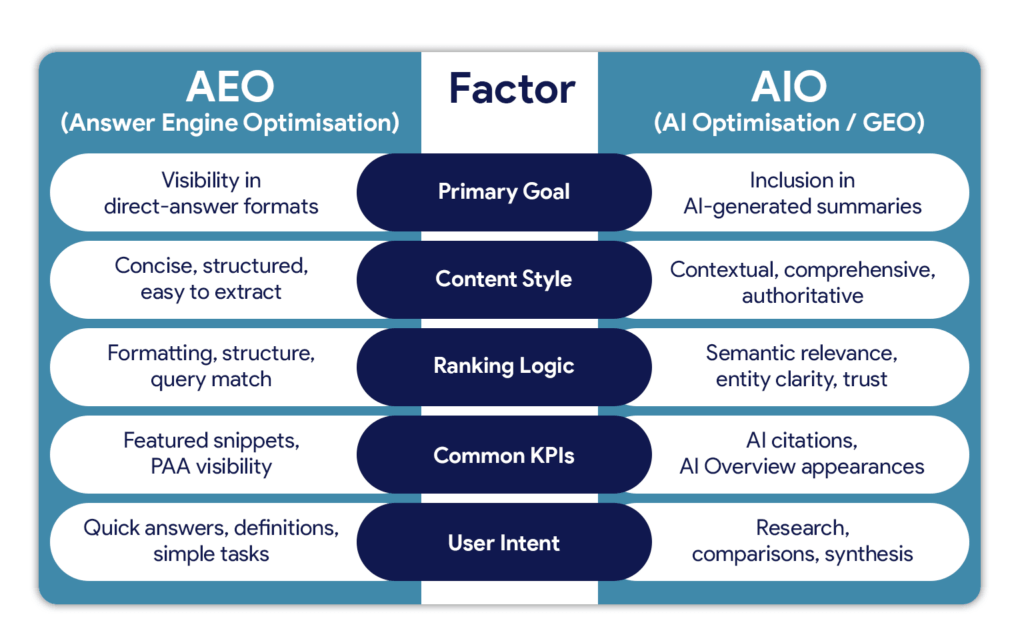
AEO and AIO are closely related but not identical. AEO primarily concerns direct-answer formats, where the objective is to make content easy for search engines to extract and display. AIO, on the other hand, is more concerned with helping content become part of AI-generated summaries, which are often built from multiple sources and depend on clarity, authority, and contextual usefulness.
Factor | AEO (Answer Engine Optimisation) | AIO (AI Optimisation / GEO) |
Primary Goal | Visibility in direct-answer formats | Inclusion in AI-generated summaries |
Content Style | Concise, structured, easy to extract | Contextual, comprehensive, authoritative |
Ranking Logic | Formatting, structure, query match | Semantic relevance, entity clarity, trust |
Common KPIs | Featured snippets, PAA visibility | AI citations, AI Overview appearances |
User Intent | Quick answers, definitions, simple tasks | Research, comparisons, synthesis |
When to Use AEO vs AIO
AEO is especially useful for queries that require direct, factual answers, such as definitions, FAQs, and straightforward explanations. It works well when the user is searching for a quick answer without needing extensive context. AIO is more effective for broader topics that involve comparisons, layered understanding, or multiple subtopics, where AI systems can generate summaries from a range of sources.
In practice, most businesses will benefit from using both. AEO supports immediate visibility opportunities, while AIO strengthens broader discoverability and long-term presence in AI-driven search environments.
Why Singapore Businesses Need a Hybrid Strategy
In Singapore’s competitive digital landscape, relying solely on traditional SEO may not be enough to maintain visibility across evolving search interfaces. Businesses increasingly need a hybrid strategy that supports direct-answer formats, AI-generated summaries, and standard organic search performance simultaneously. AEO helps capture quick-answer opportunities, while AIO supports broader visibility through trust, context, and topical authority.
The value of this hybrid approach lies in how search is evolving. Strong rankings still matter, but being recognised as a credible, extractable, and citable source is becoming just as important. For Singapore businesses operating in highly competitive sectors, combining AEO and AIO can help create a more resilient search strategy.
AEO and AIO in Singapore: Market-Specific Considerations
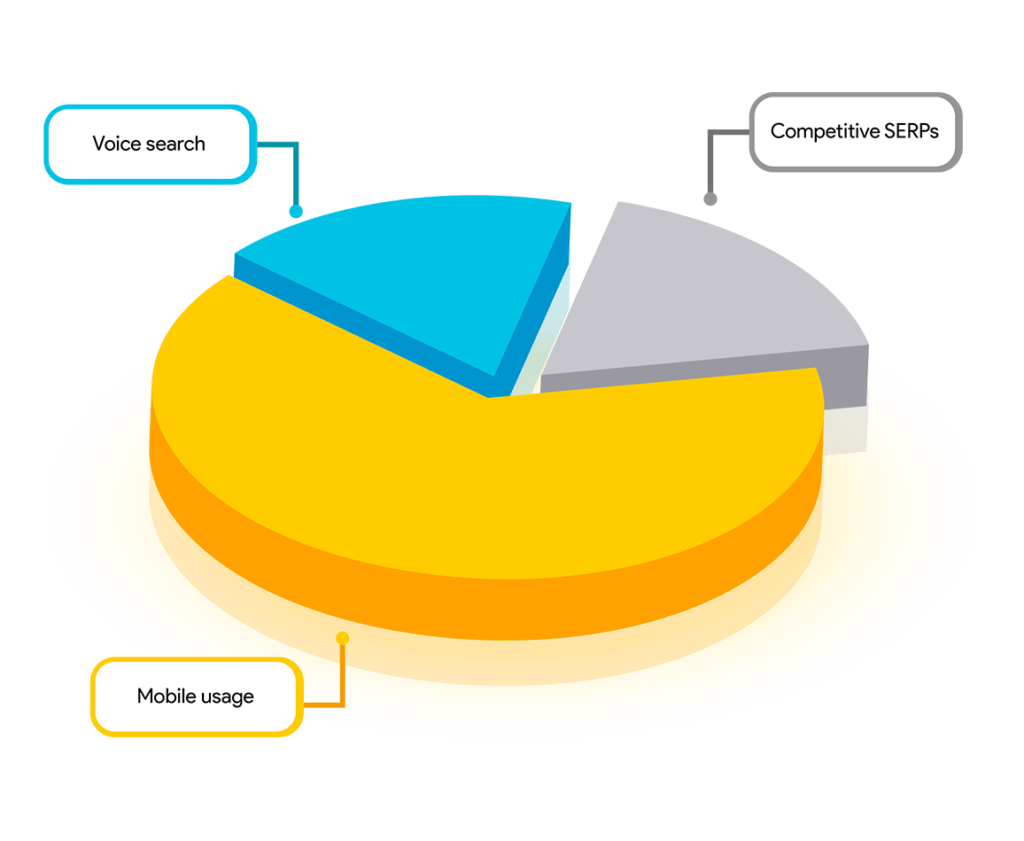
Singapore offers a highly competitive, digitally mature search environment. Businesses operating in this market should consider several factors when adapting to AI-powered search. The high rate of smartphone use and digital adoption contributes to the growth of conversational and mobile-first search behaviour. This means content increasingly needs to be optimised for immediate understanding, scannability, and natural-language intent.
Competitive search engine results pages are also common across sectors such as finance, healthcare, education, legal services, and B2B professional services. In these industries, content quality and authority are especially important because users tend to compare multiple sources before making decisions. In addition, English remains the primary language for most business and commercial search activity in Singapore. Still, user behaviour is becoming more intent-driven and conversational, especially as AI-assisted interfaces become more familiar.
For this reason, businesses in Singapore need more than keyword targeting alone. They need trustworthy content, locally relevant when appropriate, and technically structured to support both traditional rankings and AI-assisted interpretation.
How AI-Powered Search is Changing SEO in Singapore
The Rise of Zero-Click Searches
Zero-click searches are becoming more common as search engines increasingly provide answers directly on the results page. This is especially true for informational and question-based searches, where users can get what they need without having to click through to a website. As a result, measuring SEO performance solely by traffic can yield an incomplete picture of visibility.
For businesses, this means metrics such as snippet presence, branded search demand, citation appearances, and on-SERP visibility are becoming more relevant. Organic traffic still matters, but it is no longer the only indicator of strong search performance in an AI-assisted environment.
Increased Emphasis on E-E-A-T
Experience, Expertise, Authoritativeness, and Trustworthiness remain highly relevant in AI-powered search. In sectors such as healthcare, finance, education, and legal services, trust signals become even more important because the accuracy and credibility of content can directly affect user decisions. Pages that clearly demonstrate expertise and present reliable information are better positioned to perform well across both conventional search and AI-assisted summaries.
This does not mean only large brands can succeed. Smaller businesses can also build trust by publishing clear, factual content, demonstrating expertise in specific subject areas, and maintaining consistency in how they present their brand and services online.
Shift to Conversational and Natural Language Search
Search queries are becoming more conversational. Users increasingly type or speak full questions instead of short keyword strings. For example, rather than searching “best renovation company Singapore,” a user may ask, “Which renovation company in Singapore is suitable for small HDB kitchen upgrades?” This shift makes intent matching more nuanced and increases the importance of content that answers real questions in natural language.
For SEO, this means content should not only target keywords but also mirror how users actually ask questions. This supports stronger performance for featured snippets, voice search, People Also Ask results, and AI-generated responses.
Core Ranking Factors for AEO and AIO
1. Technical Schema and Metadata
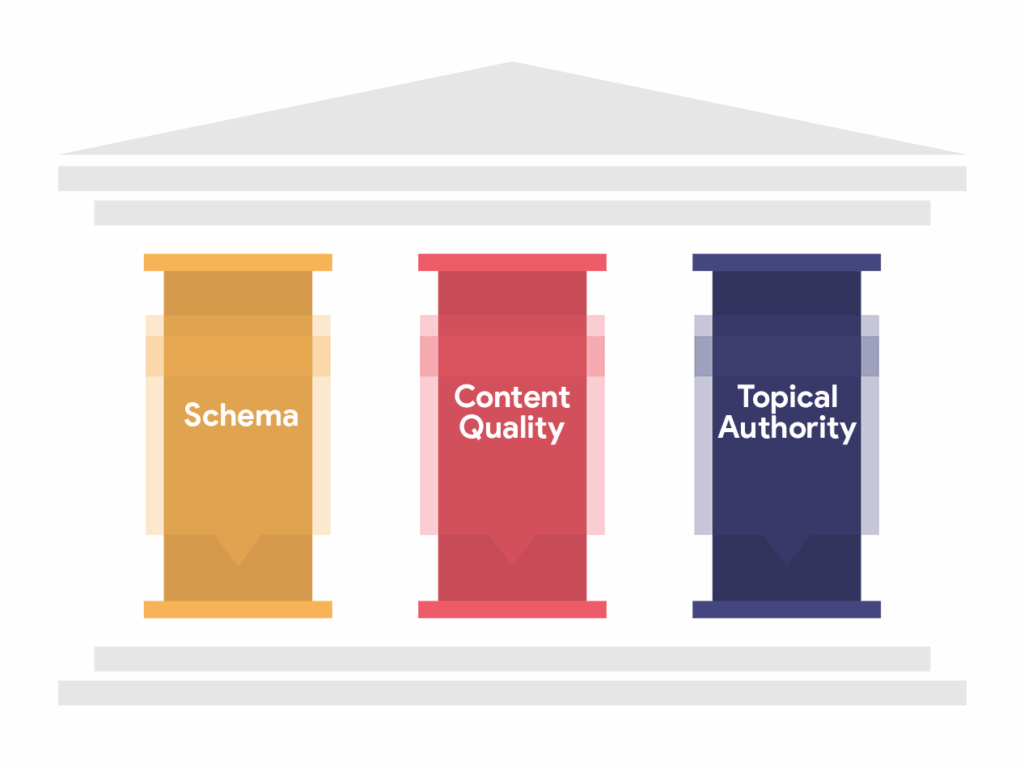
Structured data remains useful for helping search engines understand page context. Schema markup can clarify whether a page contains FAQs, products, reviews, organisations, or other content types. While schema does not guarantee visibility in answer-based or AI-powered features, it helps improve interpretability and machine readability.
Businesses should treat schema as part of a broader technical SEO foundation. Metadata, crawlability, mobile usability, and site speed still influence whether content can be effectively accessed and understood by search engines and AI systems.
2. Information Quality and Citability
AI-assisted search systems tend to favour content that is clear, factual, and easy to reference. This makes precise and well-structured writing more useful than broad or vague marketing language. Content that explains topics clearly, uses accurate terminology, and avoids unsupported claims is generally better suited for both user trust and AI-assisted summarisation.
Citability also depends on usefulness. If a page offers a clear explanation, a well-defined concept, or a helpful comparison, it becomes a more valuable source. In that sense, information quality is not only about correctness, but also about how easily a statement can be understood and reused.
3. Topical Breadth and Internal Linking
Topical authority is strengthened when a website covers a subject comprehensively rather than treating it as a single isolated page. A hub-and-spoke structure, in which a main pillar page links to related supporting content, helps search engines understand the depth of coverage and relationships between topics.
To further strengthen topical authority, it is helpful to connect related pages with internal links. For example, businesses may link to supporting articles such as:
- Technical SEO guides explaining crawlability and indexing
- Content strategy pages focused on keyword intent and structure
- Schema markup guides detailing structured data implementation
- Service pages that align with specific search queries
This creates a clearer site architecture and helps search engines understand how different topics are connected. It also improves user navigation, which can strengthen engagement and the overall usefulness of the content.
Entities and Semantic SEO in AI Search
Search engines and AI systems increasingly rely on entity recognition to understand how topics, brands, and concepts are connected. Instead of focusing only on keywords, modern SEO also involves clarifying relationships between entities. This includes identifying who the brand is, what services it offers, what subject area it specialises in, and how those topics relate to broader concepts.
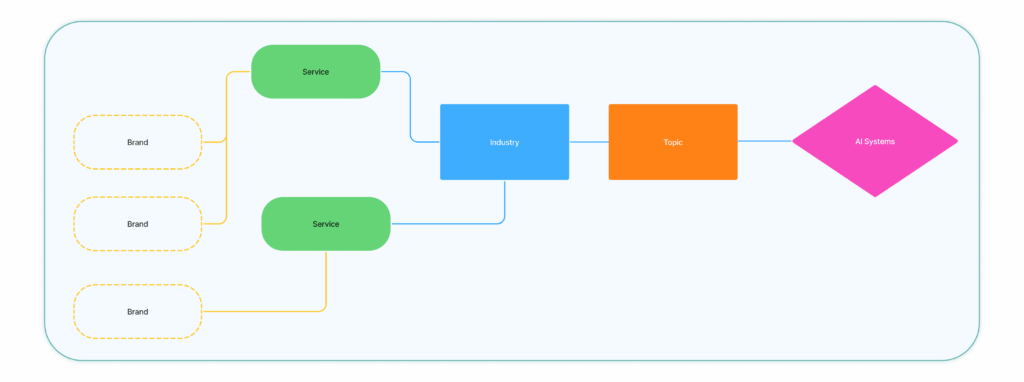
In the context of AEO and AIO, important entities may include Google AI Overviews, ChatGPT, Perplexity, Claude, structured data, semantic SEO, topical authority, and the business’s own brand or service categories. When content consistently uses clear naming and reinforces these relationships across multiple pages, it becomes easier for search engines and AI systems to interpret the site more accurately.
To strengthen entity clarity:
- Use consistent naming across pages
- Clearly define services, products, and expertise
- Build supporting content around related topics
- Use structured data to reinforce relationships
Clear entity signals help both search engines and AI systems better interpret content, improving the likelihood of visibility across search results and AI-generated responses.
The AEO–AIO Visibility Stack
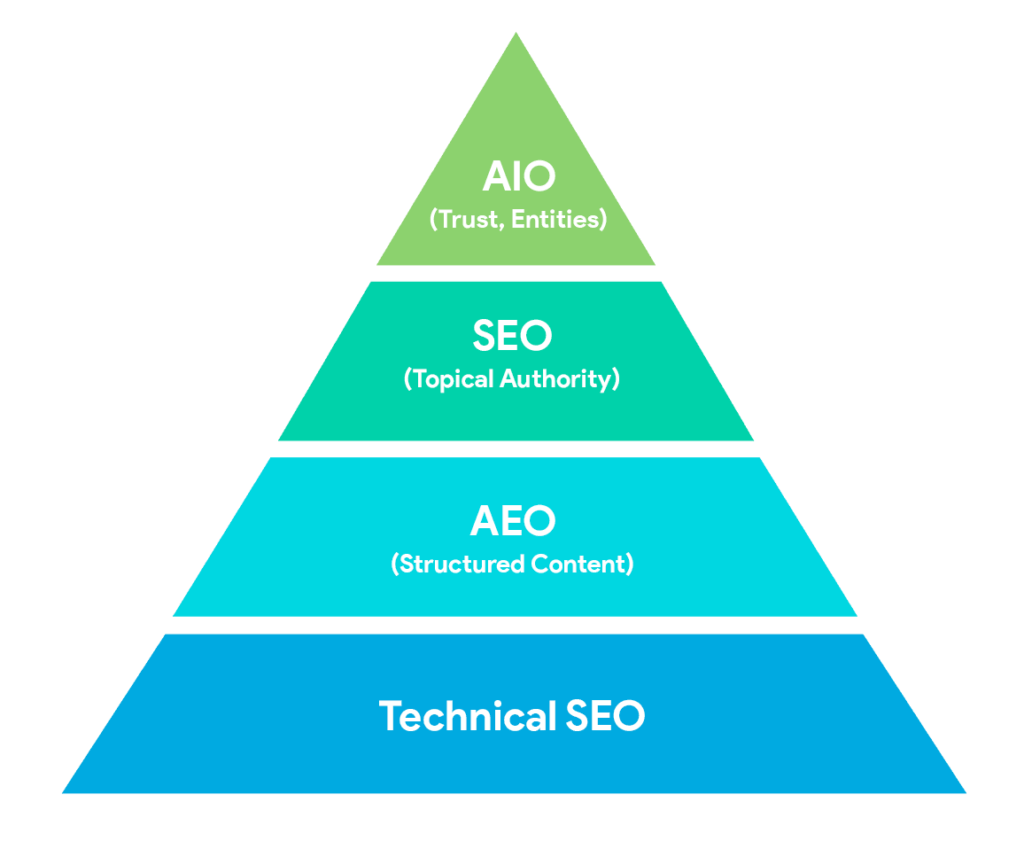
To compete effectively in both traditional and AI-powered search, it is useful to think of SEO as a layered system rather than a collection of disconnected tactics. The AEO–AIO Visibility Stack is one way to understand how the different parts of modern search optimisation work together.
Layer 1: Technical SEO Foundation
Crawlability, indexing, page speed, mobile usability, and sound site architecture ensure content can be accessed and processed properly.
Layer 2: Structured Content (AEO Layer)
Clear formatting, direct answers, logical headings, and relevant schema markup make content more suitable for extraction into direct-answer features.
Layer 3: Topical Authority (SEO Layer)
Comprehensive content coverage and internal linking strengthen subject relevance and improve traditional ranking potential.
Layer 4: Entity and Trust Signals (AIO Layer)
Consistent brand signals, credible content, and clear entity relationships improve the likelihood that content is used in AI-generated summaries.
This layered approach reflects the evolving nature of search visibility. Technical accessibility, clarity, topical depth, and trust do not compete with one another. They support one another, and the strongest search strategies are built by combining all four.
Local Search Optimisation in the Age of AI
Local SEO remains important in AI-assisted search, especially for businesses that depend on geographic relevance. Search engines and AI systems may still surface local businesses based on signals such as location data, business profiles, reviews, structured information, and content relevance. This means local optimisation continues to support visibility even as search interfaces become more AI-assisted.
For businesses in Singapore, practical local optimisation steps still include maintaining a complete Google Business Profile, keeping NAP details consistent across the web, building relevant local citations, creating location-aware service pages where appropriate, and using structured data to clarify business type and location. These tactics do not guarantee inclusion in AI-powered features, but they remain part of a strong local visibility strategy.
SEO Solutions for AI-Powered Search
As search continues to evolve, SEO strategies must adapt. Businesses can strengthen their visibility by combining traditional SEO foundations with newer optimisation approaches tailored to AI-assisted search. This means not treating SEO, AEO, and AIO as separate silos, but as connected parts of a broader search strategy.
Useful focus areas include:
- Answer engine optimisation for direct-answer opportunities
- AI optimisation or generative search optimisation for broader AI visibility
- Technical SEO to support crawlability and performance
- Content strategy built around user intent and topical authority
- Structured data to improve machine readability.
A strong search strategy should remain focused on search visibility and user usefulness. Unrelated claims or loosely connected ideas should be removed, especially if they do not support the page’s main purpose or the user’s likely intent.
Step-by-Step Framework to Implement AEO and AIO
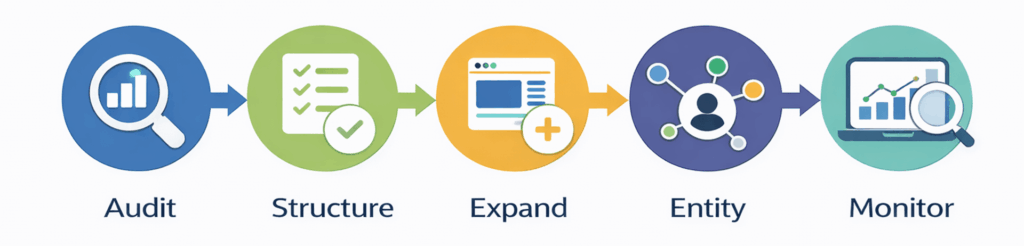
To adapt to AI-driven search more effectively, businesses in Singapore can follow a practical step-by-step framework.
Step 1
The first step is to audit existing content for intent. This means identifying which pages target direct questions and which pages are designed for research, comparison, or broader topic exploration.
Step 2
The second step is to structure key AEO pages by adding direct-answer sections, clearer headings, FAQ blocks, and concise definitions. The third step is to expand thin content for AIO by adding useful detail, supporting context, examples, and clearer topical depth. The fourth step is to clarify entities so search engines can better understand the relationship between the business, its services, and the subject matter being covered. The fifth step is to monitor AI visibility by checking whether pages appear in AI Overviews, featured snippets, and answer-based search features where observable.
When applied consistently, this framework helps businesses improve readiness for both traditional search and AI-assisted visibility.
Optimising for Voice Search in Singapore
Voice search optimisation overlaps heavily with AEO because voice queries tend to be longer, more conversational, and more question-based. Users often ask complete questions when speaking into a device, so content should be written to answer those questions clearly and naturally.
Businesses can improve their readiness for voice-driven discovery by writing in a conversational tone, answering specific user questions clearly, using structured headings and FAQ sections, ensuring mobile usability and fast page load times, and applying relevant schema markup where appropriate. These steps improve content accessibility for both search engines and users, especially in mobile-first contexts such as Singapore.
Measuring SEO Success in the AI Era
Measuring SEO success now requires a broader view than rankings and traffic alone. Traditional metrics such as impressions, clicks, average position, engagement, and conversions still matter, but businesses should also look at visibility across answer-based and AI-assisted search experiences. Relevant indicators may include:
- Featured snippet appearances
- People Also Ask visibility
- Organic clicks and impressions
- Brand search demand
- AI Overview: appearances where observable
- Mentions or citations in AI-assisted tools
- Page engagement and conversion quality
In addition to traditional SEO metrics, businesses can track visibility across AI-assisted environments by monitoring whether content appears in AI-generated summaries, comparing brand mentions across AI-powered tools, tracking changes in branded search demand over time, and observing which competitors are frequently cited in AI responses. These indicators offer a more practical way to understand AI-driven search performance without relying on unverified or unofficial metrics.
Benefits of Partnering with an Agency for AI-Driven SEO
AI-driven SEO combines technical SEO, content strategy, structured data, and evolving search behaviour analysis. An experienced SEO agency can help businesses adapt more efficiently by improving site structure, refining content strategy, identifying new visibility opportunities, and aligning content with both traditional and AI-assisted search environments.
The strongest approach is not to rely on vague claims about proprietary ranking methods, but to focus on practical capabilities that matter. These include technical execution, content quality, structured data implementation, search intent alignment, and measurable improvements in visibility over time. Businesses that need support across these areas may benefit from working with teams experienced in technical SEO, structured content, and AI search optimisation strategies.
Common Mistakes to Avoid
These are a few of the errors businesses make during optimisation.
- Keyword stuffing: This is the most common and weakens readability without improving AI visibility. Overusing phrases unnaturally can reduce content quality and make a page less useful for both users and search systems.
- Vague marketing language: Where subjective or exaggerated statements are used instead of clear, factual explanations.
- Ignoring mobile experience: This can be a serious problem, especially in markets like Singapore, where mobile usage is high. Slow, poorly structured, or difficult-to-read mobile pages reduce usability and can weaken visibility.
- Thin content: Another limitation because pages with very little substance are less likely to earn snippets or citations.
- Overstating AI claims: This should be avoided as not every trend has an official ranking factor or a documented metric, so it is better to focus on observable performance and proven search fundamentals.
FAQs
AEO focuses on helping content appear in direct-answer formats such as featured snippets and FAQ-style results. AIO focuses on improving the likelihood that content is referenced in AI-generated summaries or AI-assisted search experiences. In simple terms, AEO makes content easier to extract, while AIO makes it more useful for synthesis.
AEO can support local SEO by helping businesses answer question-based searches clearly, especially when users ask location-specific or service-specific queries. However, local SEO still depends heavily on business profile optimisation, relevance, proximity, and trust signals. AEO strengthens one part of local visibility, but it does not replace broader local SEO work.
No. Traditional SEO remains the foundation. Crawling, indexing, site speed, internal linking, and content quality still matter. AEO and AIO build on those foundations rather than replace them. Businesses that already have strong SEO fundamentals are often better positioned to adapt to AI-driven search.
AIO performance is usually tracked by monitoring whether a brand or webpage appears in AI-generated search experiences, such as AI Overviews or cited AI responses. This can be done through manual checks, SEO tools that monitor AI visibility (where available), and ongoing competitor comparisons. The goal is to understand whether a site is becoming more visible as a source in AI-assisted environments.
Rethinking SEO for an AI-Driven Future
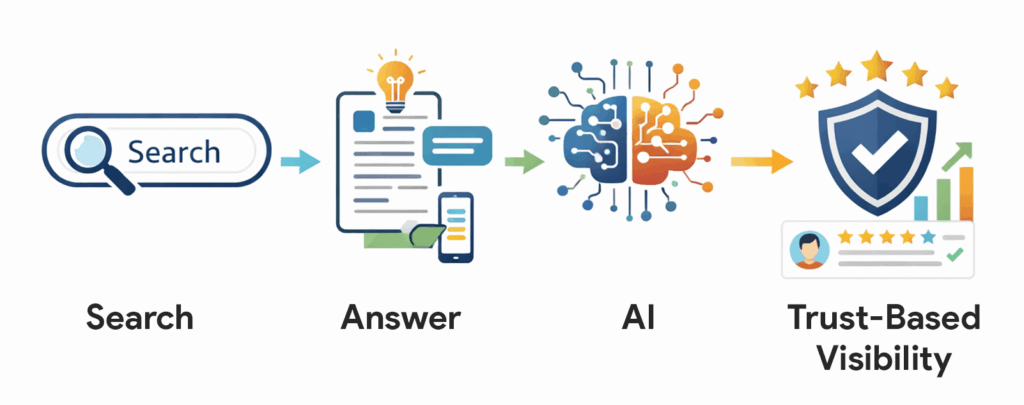
The shift from search engines to answer-driven and AI-assisted experiences is changing how visibility is earned online. For businesses in Singapore, this does not mean traditional SEO is disappearing. It means SEO is expanding into a broader discipline that includes direct-answer readiness, AI-assisted discoverability, and clearer content.
AEO helps businesses improve visibility in direct-answer formats, while AIO supports discoverability in broader AI-generated summaries. The most effective strategy is not choosing one over the other, but building a strong foundation that supports both: technically sound pages, trustworthy content, clear structure, and real topical depth.
The future of AEO and AIO in Singapore belongs to brands that are not only easy to find but also easy to trust, understand, and cite. Book a meeting to understand how you can boost your online presence.